Meetings & Information


*****************************
****************************************************
MUST READ:
GET THE FACTS!


Showing posts with label cost benefit analysis. Show all posts

Sunday, November 30, 2014

Massachusetts MAGICAL THINKING! State to study impact of new casinos


The 'STUDY' was created as a phony salve to pretend the CREATION OF GOVERNMENT SPONSORED ADDICTION was palatable.

Pity some folks didn't get the joke!


(Oh, this is too funny for words! I put out this post headed, "More Massachusetts Magical Thinking" earlier after reading the Boston Globe article.

 Then when I visted the Massachusetts Gaming Commission's web site and found out they call their research project, "MAGIC" !!! (Massachusetts Gambling Impact Cohort (MAGIC))

MORE MASSACHUSETTS MAGICAL THINKING - So now we are supposed to be very excited because MA is going to conduct a supposed thorough research project on the negatives of casinos and gambling because we are so fortunate to be able to start this "investigation" before the casinos come and compare that to after they are here? Isn't that a little like taking a clean, pure water resource, allowing a corporation to dump known toxins in it, so we can have a "controlled" study of the effects of toxins on nearby communities? Then we can be proud that we have used MA residents as guinea pigs to prove what we already know. I'm so proud. And this all by the same Gaming Commission and other state administrators that brought us casinos in the first place...

 https://www.bostonglobe.com/…/ZImlmIZvv1S1Qa7BPF…/story.html


State to study impact of new casinos

The studies will attempt to measure the local effects of casinos, including the slots parlor at Plainridge Park.
Jonathan Wiggs/Globe Staff
The studies will attempt to measure the local effects of casinos, including the slots parlor at Plainridge Park.


By Globe Staff


Massachusetts will not get its first slot machines until the summer, but the state is already becoming a laboratory for gambling research, which may someday help answer some of the longstanding public policy questions about the casino industry.

The state gambling commission has sponsored two scientific studies that will test how new casinos affect the level of problem gambling in the population, and whether new casinos lead to broader societal woes, such as increases in crime, more domestic violence, and lower home values.


What makes the studies special is that they are beginning before casinos open in Massachusetts. The studies will measure the prevalence of problem gambling now, so researchers will have a baseline against which to compare the levels of problem gambling later, after as many as three resort casinos and one slot parlor open for business around the state.

“The mission is to substantiate with data — not anecdotes or myths — what the impacts of casino gambling are in Massachusetts,” said Stephen Crosby, chairman of the gambling commission. “It never has been done like this anywhere else and it will create a database of information that will be valuable worldwide. This will be a phenomenal resource.”

The initial phases of the two studies will cost more than $4 million, which comes from taxes and fees on the casino industry, according to the gambling commission. The studies are being conducted by University of Massachusetts-Amherst researchers, led by principal investigator Rachel Volberg, who has studied problem gambling for about 30 years, according to UMass.

The first research project, known as the Social and Economic Impacts of Gambling in Massachusetts study, has been underway since 2013. The plan calls for massive surveys of thousands of Massachusetts residents.

“We are doing this very large survey before any casinos become operational and then waiting,” Volberg said. “We will go out into the field with an identical survey a year after all of the casinos have opened — which gives us a snapshot before and a snapshot after, on problem gambling prevalence and gambling participation.”

The survey will measure, among other things, public attitudes toward gambling; the gambling behaviors of Massachusetts residents, most of whom already live within a few hours of casinos in Rhode Island or Connecticut; motivations for gambling and what casino customers perceive as the recreational value of gambling; as well as the number of people who may be problem gamblers.

Another round of the survey will be performed around 2018, depending on how quickly the state’s casinos industry gets up and running, Volberg said.

The state’s first slot machines are due to start spinning in June, at a Penn National Gaming slot parlor in Plainville, which is under construction.

In about three years, MGM is expected to open an $800 million casino and entertainment complex in downtown Springfield, and Wynn Resorts is due to open a $1.6 billion casino hotel on the Mystic River waterfront in Everett.

The gambling commission is soliciting bids for the final resort casino license it controls, for Southeastern Massachusetts. Separately, the Mashpee Wampanoag are trying to overcome legal hurdles in pursuit of a tribal casino in the southeast.

As part of the study, researchers are also gathering community statistics, covering areas such as employment and business payrolls, household income, sales taxes, lottery sales, tourism visits, and many other categories, to track any measurable changes over time after casinos open.

The second research project, known as the Massachusetts Gambling Impact Cohort study, will follow about 2,600 individual people for the next five years — or longer — as the casino industry moves into Massachusetts and matures, to see what happens to the individuals over time.

“It’s truly remarkable that we’re going to be able to start this study in advance of any of the casinos being operational,” Volberg said. “That’s something that hasn’t been done before.” The cohort study “focuses on getting a better understanding about how problem gambling starts, develops, and resolves over time. To do that you really need to follow individuals, rather than taking a population snapshot.”

In addition to legalizing Las Vegas-style casino gambling, the 2011 state casino law requires the gambling commission to study the effects of casinos in Massachusetts.

The commission anticipates that the results of the studies will help the panel design policies to combat problem gambling.


https://www.bostonglobe.com/metro/2014/11/29/state-study-impact-new-casinos/ZImlmIZvv1S1Qa7BPFQseO/story.html


Friday, October 3, 2014

Question 3....No Debate? The Secrecy of Predatory Gambling?


Casino clash shaping up ahead of election


Gerry Tuoti
Wicked Local Newsbank Editor
Posted Oct. 2, 2014

While casino opponents may not have a chance to square off against casino CEOs and the lawmakers who crafted the state’s expanded gambling law, key players on both sides of the issue are scheduled to face off in a forum later this month.


The Ford Hall Forum at Suffolk University has announced an Oct. 23 panel discussion on Question 3, the ballot initiative seeking a repeal of the state’s 2011 casino gambling law. The event, according to the Ford Hall Forum, will feature Repeal the Casino Deal chairman John Ribeiro and former state Attorney General Scott Harshbarger on the anti-casino side; and Everett Mayor Carlo DiMaria and Coalition to Protect Mass. Jobs labor outreach director Charlie Stefanini.


Repeal the Casino Deal had previously launched an unsuccessful attempt to line up debates with several casino supporters, including Senate Majority Leader Stanley Rosenberg, House Speaker Robert DeLeo and the CEOs of MGM Resorts International, Penn National Gaming and Wynn Resorts.


The forum was announced after state Senate Majority Leader Stanley Rosenberg, D-Amherst, notified Repeal the Casino Deal that he was declining an invitation to a separate debate. Rosenberg played a major part in drafting the casino law that legislators passed in 2011. Repeal the Casino Deal said it had not received responses from the other parties.


“I have respectfully declined Yes on 3’s invitation,” Rosenberg said in a statement. “When legislators, and the governor, approved expanded gaming we did so only after painstaking research and extensive public debate. We’ve had our say on the issue. Voters, with Question 3, will now have the opportunity to have their say by either ratifying or repealing the law.” *****


Ribeiro criticized the response.


“If you’re not willing to stand before the people and promote your legislation, how strongly do you really feel about it?” Ribeiro said. “Our legislators have never held a public debate before the voters. Perhaps it’s difficult to defend this legislation when the decision was made without an independent cost-benefit analysis on casinos. I’m still willing to debate, if he has a change of heart.”


The state Gaming Commission has awarded resort casino licenses to Wynn Resorts, which plans to build in Everett, and MGM, which is proposing a Springfield casino. Penn National won the slots license and has begun construction in Plainville.


Massachusetts voters will decide Nov. 4 whether to repeal the law that authorizes up to three commercial casinos and one slots parlor statewide.


Casino opponents argue that expanded gambling has net negative impacts on the community, could lead to crime and harm small businesses.


Proponents of casino gambling say the industry will lead to economic development, increased state revenues and new jobs.


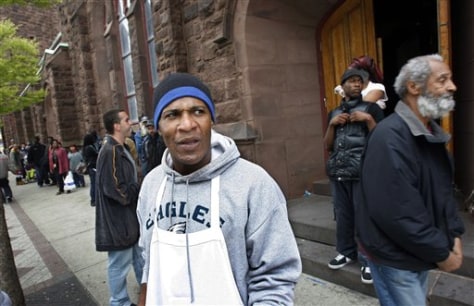
THIS IS ATLANTIC CITY'S ECONOMIC DEVELOPMENT & HOMELESSNESS:


Penn National announced Wednesday that it is halfway through construction in Plainville.

“Eight months ago we started the development of this $225 million dollar facility, and in eight months we will open Plainridge Park Casino,” Penn National spokesman Jeff Morris said in a statement. “We are extremely proud of the work product to date, the jobs and revenue we have created for union construction workers and small businesses in Massachusetts, and the career opportunities for residents of the area that are coming in the very near future.”


http://www.tauntongazette.com/article/20141002/NEWS/141008524/11157/NEWS#NEWS/?Start=1&_suid=141238008467207226626106699296


****On a personal note, the PAINSTAKING RESEARCH Senator Rosenberg's seem to be referring to is his PERSONAL RESEARCH, discussed in PRIVATE, BEHIND CLOSED DOORS!

There was no PUBLIC DEBATE! Where is the RESEARCH? Who has it?

Senator Rosenberg repeatedly refused to discuss/address/present information publicly.

When has any other PUBLIC POLICY been so secret?


Sunday, February 9, 2014

Say no to casinos

Our neighbors to the north conducted an independent cost benefit analysis which Beacon Hill refused to do. In doing so, they determined that the COSTS exceeded the REVENUE.


You'll find the information here:
CasinoFreeNH

Research


Predatory Gambling is NOT Economic Development!


Saturday, February 8, 2014                       

Say no to casinos 


Letter to the Editor


Just wanted to share my thoughts on casinos in New Hampshire. I have lived in states that have had destination and urban casinos. In the states with destination casinos, they were generally owned by Native Americans, nicely kept and the tribe did a pretty good job with security. The urban casinos, even those owned by Native Americans, often turned into dumps after four or five years. The neighborhoods, many of which were not that great to begin with, got even worse, with pawn shops on almost every block. In areas where there is a high density of casinos, vice, crime and prostitution were the norm.
 
“We need the money” is the same reason my friend’s son gave for selling drugs. To me that is not good enough. There reaches a point where you have to stand your moral ground and make a statement. This state has chosen not to have sales and income taxes. That’s a strong statement but has its consequences. We have to ask ourselves: Do we want to fund our state on the sins and weaknesses of our citizens? I believe we are better than that.
 
We need new business and an attractive business environment fueled by a world-class, high technology university system and a first-class transportation infrastructure. We can attract good people and businesses if we make it a priority. This is a great state. Let’s keep it that way. I say vote “no” on casinos.
 
Jeffrey Mayer
Nashua


N.H. Senate tables casino bill, waiting for the House to make a move


CONCORD — New Hampshire's Senate voted as expected Thursday to hold on to casino legislation and wait to see what the House does with its own casino measure.
 
The Senate voted without debate to table a bill that would allow the state to issue licenses for two casinos sharing 5,000 video slots and 240 table games. The House has repeatedly rejected casinos, most recently last May, when it killed a Senate bill that authorized one casino.
 
Gov. Maggie Hassan has said repeatedly she supports only one casino, which the House proposal would authorize. The House bill is the product of a special commission charged with developing regulations for a future casino.
 
State Sen. Lou D'Allesandro sponsored the bill the House rejected and the latest Senate effort. He said he added a second casino license to the latest bill to answer critics who complained last year's bill created a monopoly and was tailored to one location — Rockingham Park race track in Salem.
 
The Lottery Commission estimates two casinos with a total of 5,000 video slot machines and 240 table games would generate $168 million for the state and about $480 million for the two license holders when they were fully operating in 2018. The state also would get about $125 million from application and licensing fees.
 
The bill would restrict the casinos to a maximum of 1,500 seats for entertainment venues. D'Allesandro said that is to protect the Verizon Wireless Center in Manchester, which has about 10,000 seats.
 
Meanwhile, a House committee is considering a bill that is the product of a special commission that proposed licensing one casino and strengthening gambling regulations.
 
The Senate has proposed using gambling revenue to pay for highway improvements among other projects. The House, meanwhile, passed a gas tax increase last year to pay for road fixes, but the Senate killed it.
 
The New Hampshire Gaming Regulatory Oversight Authority, which was created after the House killed the Senate's casino bill, recommended licensing one casino with up to 5,000 video slots and 150 table games, the same numbers proposed in the House bill.
 
The proposed regulations are much more extensive than were in the bill killed by the House, but limits on the number of video slots allowed and other details about a new casino are nearly identical. Casino supporters are concerned New Hampshire will lose revenue to Massachusetts, which is licensing three casinos and one video slots parlor.


Saturday, December 14, 2013

Big league gambling: AG makes right call on casinos

Our neighbors to the north conducted an INDEPENDENT COST BENEFIT ANALYSIS that determined the high COSTS of Predatory Gambling exceeds the benefits. Yet some elected leaders still haven't figured it out.

Bravo to NH Attorney General!


30 Reasons No
CasinoFreeNH

December 12. 2013 9:34PM

Big league gambling: AG makes right call on casinos

 
The state’s Gambling Regulatory Oversight Authority voted 8-1 last week to recommend legislation that would establish a regulatory structure to oversee expanded gambling in New Hampshire. We commend Attorney General Joe Foster for having the guts to be the lone “no” vote.
Foster said that the proposal amounted to endorsing casino gambling, which he could not do. “We’re going from the little league to the big leagues in terms of the dollar costs of problem gamblers,” he said. “I remain concerned . . . about the social cost of bringing casino gambling into the state.”
The baseball analogy is a good one. New Hampshire’s existing charitable gaming infrastructure and its state-run lottery program already feed gambling addiction. A single casino would expand the problem, and virtually no one believes that the gambling doors will close behind New Hampshire’s first casino. If one comes, more will follow, whether they be resort casinos or sad little slots warehouses.
New Hampshire could go from small-time charity gambling to big-time casino gambling in the blink of an eye. Foster is right that simply having a regulatory infrastructure in place will not prepare the state for the problems that change will bring.

http://www.unionleader.com/article/20131213/OPINION01/131219665

Friday, November 1, 2013

Yup! Paving the way for NH fleecinos

New Hampshire appointed an INDEPENDENT STUDY COMMISSION that determined the COSTS of Predatory Gambling exceed the BENEFITS.

Back room deals, lobbyist access, campaign contributions and a lot of ego-stroking makes New Hampshire voters the losers.
Paving the way for NH fleecinos. Commission of five proposed to oversee gambling in NH | New Hampshire Politics
Commission of five proposed to oversee gambling in NH

CONCORD — A proposal to regulate gambling in New Hampshire with a five-member Lottery and Gaming Commission gained favor with most members of the Gaming Regulatory Oversight Authority Thursday.

The new commission would have separate divisions for the lottery, casino gambling and racing and charitable gaming while the authority would serve an advisory roll.

The authority is to recommend legislation establishing a regulatory structure before lawmakers consider approving casino gambling in New Hampshire.

The authority was appointed after the House killed Senate Bill 152 last year. The Senate passed the bill to have casino gambling in New Hampshire, which had the backing of Gov. Maggie Hassan.

The authority has grappled with either expanding the current Lottery Commission to oversee a new casino or creating a separate commission to oversee the casino or all gambling in the state.

At Thursday's meeting, Chairman Rep. Richard Ames, R-Jaffrey, presented four regulatory models and most members agreed with the lottery and gaming commission including a racing and charitable gaming division as well.

Authority member and Department of Safety Commissioner John Barthelmes noted his agency includes seven large divisions, "but we all have a common theme: public safety."

He said having all of gambling oversight under one agency would improve communications and eliminate duplication.

Barthlemes as well as Attorney General Joseph Foster suggested a racing and charitable gaming division be included in the model.

Barthelmes said implementing the reforms needed for charitable gaming may not be the primary mission of the authority, but including it in the new structure would ensure it would be addressed or five years down the road the same issues will be there.

Under the plan, the five-member commission would include a full-time chair and four part-time commissioners. The lottery division would have its own executive director as would the casino gaming administration and enforcement division. The executive directors would answer to the commission chair.
A separate commission may be established to select the location and the casino operator.

Authority member Kathy Sullivan suggested the commission members have backgrounds in fields such as law enforcement, finance and the lottery so there would be some expertise.

The proposal "does not start totally from scratch," Sullivan said, "but is not bound to stick with what we have now.

Also authority members generally agreed with White Sand Gaming consultant Maureen Williamson's suggestion that until the state better regulates charity gaming, it should not be included within a commercial casino.

She said there should not be two different standards in the same facility and the public will not make the distinction. Earlier she told the authority the state does not have the regulatory structure to determine how much is bet at the 10 charitable gaming facilities around the state.
Sen. James Rausch, R-Derry, who authored a provision in SB 152 to protect charities that sponsor gaming from revenue loss once a commercial casino opens.

He said he would not include a similar provision in future legislation until the issues around charitable gaming are resolved.

James Nickerson of White Sand Gaming presented financial and capacity data to the commission. He said the demographic data indicates there is sufficient population in southern New Hampshire and Northern Massachusetts to support a resort casino in the state.
He suggested a facility with 2,500 video slot machines and 85 table games was more realistic than the 5,000 slots and 150 table games included in SB 152.

The location and population would draw interest from the top tier of casino and resort operators, Dickerson told the authority. He said the minimum requirements would probably be exceeded by proposals.

But he said what happens in Massachusetts, which has approved three resort casinos and a video slot parlor, will have a significant impact on what happens in New Hampshire.

Casino supporters are concerned the Massachusetts facilities would reduce New Hampshire's revenue and draw Granite Staters to the Bay State.

SB 152 sponsors say they will introduce a similar bill for the 2014 session.

The authority decided not to include specific financial information such as tax rates and the numbers of slot machines or table games in its proposed legislation but will include it in its report.

The commission meets at 1 p.m. Wednesday to make preliminary decisions and will work on draft proposed legislation and its report.

The authority has a Dec. 15 deadline.


http://www.unionleader.com/article/20131031/NEWS06/131109995&template=mobileart

Friday, September 20, 2013

More Costs!

The question of the cost of enforcement, oversight and regulation were repeatedly raised prior to the passage of the Gambling Legislation on Beacon Hill.

The question was ignored!


"Massachusetts Gaming Commission concerned about state police staffing levels in regards to casinos opening"

"Wells said the commission would need about eight State Police members to staff a slots parlor and the commission will eventually need more State Police at resort casinos targeted for three regions of the

state.

"Wells said she hoped the Legislature would appropriate funding for another State Police class, but mentioned running “a class of our own” if Beacon Hill does not fund another class....

"The commission agreed the issue needs further exploration soon, given the possibility that a slots facility might wind up being ready to open before the commission has ensured that enough State Police are available to be stationed at the facility."

Read more:
http://www.masslive.com/politics/index.ssf/2013/09/massachusetts_gaming_commissio_14.html


Massachusetts Gaming Commission officials expressed concern Thursday about the availability of State Police to staff a slot machine venue and resort casinos as they open.

During the regular bi-weekly meeting in Boston, the commission’s director of investigations Karen Wells told commissioners she was in discussions about securing space in a State Police class that is scheduled to start in November. Wells said the commission would need about eight State Police members to staff a slots parlor and the commission will eventually need more State Police at resort casinos targeted for three regions of the state.

Wells said she hoped the Legislature would appropriate funding for another State Police class, but mentioned running “a class of our own” if Beacon Hill does not fund another class.

The commission agreed the issue needs further exploration soon, given the possibility that a slots facility might wind up being ready to open before the commission has ensured that enough State Police are available to be stationed at the facility.

“That is one possible outcome from this conversation,” said Gaming Commission Executive Director Steven Crosby. “That would be a big no-no.”


  • Penn National Gaming officials push through second day of tough questions by Massachusetts Gaming Commission in quest to open Plainville slots parlor
  • Mohegan Sun officials 'cautiously optimistic' about Palmer referendum, outline vision to develop family attractions with casino
  • Massachusetts Gaming Commission concerned about state police staffing levels in regards to casinos opening
  • Letters to the Editor: Suburbs don't feel Springfield's pain, both political parties playing games, and more
  • Monson official wants in on meeting between Pioneer Valley Planning Commission, Gaming Commission and Mohegan Sun

  • Thursday, August 29, 2013

    Leominster: The clock is ticking, No Studies?


    Leominster needs facts – not promises
    To the editor:
    When Governor Deval Patrick and the Legislature approved gaming expansion in November 2011, our state leaders pledged no community and its residents would ever find themselves in the unenviable position of approving or rejecting a gaming referendum without first knowing all the facts. Unfortunately, that simple pledge is not being kept in Leominster.

    Please do not mistake the reality of this situation. There is no doubt that a proposed slots parlor will have an impact on the City of Leominster. This is the reason why the gaming industry, unlike any other business, pays a municipality such a high premium to conduct business in the community.

    Given the pending referendum, the question for the citizens of Leominster is essentially a balancing act – do the promised revenues from the proposed slots parlor outweigh any negative impact the venture will have on the community?

    Leominster is the fourth community in Massachusetts that the Cordish Companies have approached to build a slots parlor. In Boxboro, Danvers and Salisbury before us, for one reason or another, residents and community leaders made it clear that a slots parlor was not welcome.

    The debate as to whether or not to allow a slots parlor in Leominster should be driven by an analysis of the potential costs and benefits to having a gaming establishment in the community. We know that there is a significant upside to a slots parlor as outlined in the host community agreement. However, in order to truly weigh the costs vs. benefits of gaming coming to our community we need independent studies covering a range of potential impacts on our community.

    A critical issue for those communities who turned away the slots proposal was having a comprehensive set of studies examining the consequences of hosting a slots parlor. This essential step has been ignored in Leominster. These studies would give the Leominster community and business leaders a sense of how our community’s quality of life will be affected - not just how many jobs will be created for our residents, or how much new tax revenue might be generated for the city, but other critical issues that establish who we are and what we value for our community and our families.

    These studies would provide insight into many important factors, including the potential social stigma of a slots parlor in the community; the impact on traffic and transportation in the City; the effect on our local restaurants, pubs and other businesses; the effect on property values in the City; and the effect on crime and addiction in the community.

    Yet, as we all know, the studies that would help us to derive critical answers so as to judge whether it is worth it for Leominster to wager its future on a slots parlor are not being supplied to us as residents, taxpayers and business owners. Inexplicably, nor were any of these studies required by the Mayor’s office prior to unilaterally entering into a written agreement with the developer.

    I am neither pro nor anti-slots parlor. But I am pro-Leominster, and in my ongoing discussions with residents and local business owners, they want to know what they’re being asked to vote on before they vote.

    Why should Leominster residents approve a slots parlor on a promise from the Mayor and an out of state developer without first examining their proposal thoroughly? After all, Boxboro, Danvers and Salisbury all said “no” to the slots parlor before the developer “discovered” Leominster.

    The Mayor, with funding from the Cordish Companies, should go back to the drawing board and, under state guidelines, issue a Request for Proposals (RFP) to conduct a whole variety of impartial cost-benefit studies. Once concluded, the Mayor should present these impartial and fact-driven studies to Leominster residents in public forums prior to the September 24 referendum.

    The clock is ticking.

    Susan Chalifoux Zephir
    President, Leominster City Council

    http://www.leominsterchamp.com/news/2013-08-30/Opinions_(and)_Editorial/Leominster_needs_facts__not_promises.html
     

    Wednesday, August 21, 2013

    Leominster zoning board OKs permit for slots-only casino

    Sunday, June 30, 2013

    Dead Horse Racing: Why the taxpayer subsidies?


    Horse Racing is DEAD! Attendance down, yet states continue to use taxpayer funds to subsidize the DEAD industry. And then taxpayer funds are used to bail out their failures.


    Not one single legislator is asking for an INDEPENDENT ANALYSIS.

    What other business receives similar subsidies? WHY?


    News from the Gambling "Arms Race"

    More and more tax breaks and bailouts for racetracks, casinos, and racinos in CT, RI, DE, NJ, where they have found they can't compete with the proliferation of casinos and racinos in the U.S. Nor can they compete with the expansion of existing gambling venues from racing to slots, from slots to table games, from slots & table games to full-blown, over-the-top destination casino resorts. Where will it end?

    Now add Internet Gambling in to the mix and throw a match: the tinderbox of our economy is blown to smithereens.
    ...
    (Plainville, MA, remember that Plainridge has already been bailed out by its owners for 14 years without a profit.)


    Recent News on Casino/Racino Bailouts:

    Bailout for Delaware casinos exposes national problem
    http://video.msnbc.msn.com/all-in-/52269868#52269868

    America moves to bailout casinos
    http://thenewsunit.blogspot.com/2013/06/america-moves-to-bailout-casinos.html

    W.Va. casino hosting lawmakers urges tax break (AP)
    http://cdcgamingreports.com/w-va-casino-hosting-lawmakers-urges-tax-break-ap/

    Chris Christie’s Failed State Capitalism
    http://www.bloomberg.com/news/2012-08-10/chris-christie-s-failed-state-capitalism.html
    See More
     
    Click on link for video --
     
     June 20, 2013

    Bailout for Delaware casinos exposes national problem

    A proposed bailout is seen as a rude awakening to taxpayers who are always told that state- approved gambling is a revenue generator. There are now so many casinos in the U.S. that the new ones are hurting the revenue of the older ones. Host Chris Hayes asks Delaware and New York lawmakers if casinos make sense.


    Friday, May 24, 2013

    When the COSTS exceed the REVENUES......

    New Hampshire conducted an INDEPENDENT COST BENEFIT ANALYSIS that determined the COSTS would exceed the revenues.

    How simple is that?

    For additional information:
    Granite State Coalition Against Expanded Gambling

    N.H. Speaker Norelli: Casino a four-sided issue

    Democratic Rep. Terie Norelli of Portsmouth, as speaker of the New Hampshire House, has a unique view of her members from her elevated perch in the chamber.

    She also has a unique view of the casino gambling issue that played out in Concord on Wednesday, with lawmakers voting 199-164 to agree with a House supercommittee recommendation to kill SB 152, the Senate-passed bill to allow a casino in the Granite State.

    See the roll call breakdown here.

    Norelli told me after the vote that the casino debate is not two-sided, but rather four-sided.
    Based on what she saw and heard during Wednesday’s lengthy debate, here is how her fellow lawmakers fell on the issue of casino gambling:
    • 1) Those who support gambling in all forms;
    • 2) Those who oppose gambling in all forms;
    • 3) Those who support gambling in a very particular form, such as state-run gambling or small gambling parlors throughout the state;
    • 4) Those who would support gambling if there was a regulatory and enforcement structure in place.
    While she remained neutral on the issue (and she did not cast a vote on the supercommittee recommendation), she said she puts herself in the fourth category.

    She wished, as Democratic Rep. Marjorie Smith of Durham pointed out during the debate, that the state three years ago had spent the $250,000 to create the regulatory and enforcement infrastructure needed to oversee casino gambling.

    As it was, SB 152 would have handed oversight to the state Lottery Commission, something that Smith didn’t think it was capable of doing.

    The infrastructure was part of the recommendations of then Gov. John Lynch’s blue ribbon commission on casino gambling.

    The “inexpedient to legislate” recommendation came from a special House panel that included all the members of the House Finance and Ways and Means committees.

    The panel looked at the revenue, regulatory and social aspects related to SB 152. Its vote to kill the bill was 23.-22. It did consider a host of amendments offered by lawmakers as a way to fix parts of the bill they felt needed repair.

    On Wednesday, if the House had voted to overturn the supercommittee recommendation, it would have launched into a discussion of the amendments.

    The vote to concur with the recommendation had some interesting political divisions. Among the 199 that voted for the recommendation to kill the bill were 107 Republicans and 92 Democrats. Among the 164 lawmakers who wanted to move onto the next step of considering the amendments were 52 Republicans and 112 Democrats.

    But it was not, as some might think, as much of a political issue as it was a philosophical issue about the kind of state New Hampshire wants to be and how it will go about funding its budget priorities.
    House Minority Leader Pamela Tucker, Republican from Greenland, told me as much after the vote.
    She opposed SB 152, saying: “I am pleased to see the House once again affirmed that we don’t need gambling in our state.”

    But her opposition wasn’t political, it was philosophical and a reflection of what she said were her constituent’s concerns about casino gambling.

    "We don't need it," she said. "It does nothing for the New Hampshire advantage."

    For those who are wondering, that would put Tucker in category 2 from above.

    Paul Briand is an editor with the Live Free or Die Alliance, a non-profit, non-partisan organization that encourages the discussion and analysis of New Hampshire politics and policies.


    http://www.examiner.com/article/n-h-speaker-norelli-casino-a-four-sided-issue

    Sunday, May 19, 2013

    Just like Massachusetts!

    The Costs were determined to exceed the Benefits, yet Proponents blindly believe they are somehow different and can achieve what hasn't been achieved elsewhere.

    Facts are posted here:

    Granite State Coalition Against Expanded Gambling


    Sunday, May 19, 2013

    Too many holes in casino bill


    Telegraph Editorial

    For the record, The Telegraph has supported casino gambling for New Hampshire for many years.

    We believe it can provide significant benefits for the state’s economy with manageable consequences. Properly sited, designed and managed, facilities that include expanded gambling can be important assets in broadening the state’s attractiveness to businesses and visitors.

    That being said, there are just too many aspects of Senate Bill 152 that smell like week-old flounder for us to embrace the legislation. Wednesday’s committee vote epitomized what reeks about the bill.

    On the table were 17 possible amendments that addressed a host of issues, yet the committee was not allowed to vote on any of them. Yes, they can be offered when the bill hits the House floor this week, but by squashing committee debate, House leadership contributed to the perception that this casino bill is being railroaded.

    With her budget proposal, Gov. Maggie Hassan confronted the Legislature with the Senate’s casino plan as if holding a gun to its head. To restore much-wanted funding to programs such as the University System of New Hampshire and Children In Need of Services, Hassan said $80 million in up-front casino licensing was the golden goose. That sort of budgetary blackmail is not good for making wise public policy. Yes, frequently, budgets are predicated on anticipated changes in fees and taxes, but it’s never a good idea to base such a huge chunk of spending on a plan that would have such a lasting impact on New Hampshire’s quality of life.

    It also did not sit well with us that at the eleventh hour, Millenium Gaming jacked up its Rockingham Park proposal by $150 million to include a host of features that were not part of its original design. The move came off as a death-row plea that served to give credence to detractors who argue the company views the Salem site more as a “convenience” than a “destination” casino.

    Most troubling is that the deal uses a high initial licensing fee to provide an instant infusion of cash at the expense of a lower than customary tax on casino revenues. There has been much too little public discussion on this issue. At first glance, the impression is that a desperate state dealt for a quick fix instead of making a careful assessment of the best way to maximize revenues over the long haul.

    And while Millenium Gaming is fine company, too much of SB 152 seems tailor-made to fit its desires. Without alternative proposals, how does the state know it’s getting the best deal possible? Competition is good, and there was way too little of it in this deal.

    It all comes down to the simple fact that the casino vetting process needs to be much more open and diligent – a fact laid bare by the the assessment of a member of the Greater Portsmouth Chamber of Commerce who said the casino bill commits three cardinal sins of fiscal responsibility: It overstates revenues, understates expenses, and applies one-time revenue to recurring operating expenses.

    We couldn’t have said it better ourselves.

    http://www.nashuatelegraph.com/opinion/editorials/1005085-465/too-many-holes-in-casino-bill.html


    Monday, March 4, 2013

    Casinos in N.H.: Zero net benefit and the Governor's Blackmail


    Casinos in N.H.: Zero net benefit

     
    On Thursday, the nonpartisan and independent New Hampshire Center For Public Policy Studies released a study suggesting that a single $500 million casino with 5,000 video slot machines would net zero dollars for the state once the massive regulatory and social costs are counted.
     
    "The center estimates the state would break even at best if a casino is opened at Suffolk Downs in Massachusetts as planned," the report states. "The center estimates the New Hampshire casino would generate $138 million in revenues without a casino at Suffolk Downs but only $68 million with the opening of the nearby Massachusetts facility. The study estimates the social and regulatory costs would be $68 million, leaving the state with a net benefit of zero."
     
    And, the study adds, if the casino is smaller than proposed and has only 3,000 slot machines, the state will actually lose $2 million a year.
     
    We expect when lawmakers read this study it will mark the beginning of the end for the proposed casino. The only reason New Hampshire is discussing a casino is to raise revenue. When lawmakers see that the revenue is an illusion, we're certain they'll decide a casino is simply not worth the risk.
     
    A net benefit of zero is not going to entice anyone to put our robust tourism and hospitality industries at risk by allowing a casino to siphon off customers from existing hotels and restaurants with cut-rate rooms, meals, drinks and entertainment subsidized by slot machines.
     
    A net benefit of zero argues against putting at risk the millions of dollars state charities now receive under our unique system of charitable gaming.
     
    A net benefit of zero won't persuade lawmakers to suspend disbelief when casino proponents say slot machines won't proliferate across the state, even though they have spread in every other state and the very bill now being debated provides for a gambling expansion study.
     
    A net benefit of zero doesn't justify the risk of growing the size of state government by feeding it with casino revenue.
     
    A net benefit of zero makes it hard to rationalize the increases in theft, assaults, embezzlement, divorce, bankruptcy and suicide that every state that has allowed gambling has experienced.
     
    A net benefit of zero makes it hard to sleep at night when you are paying for state government by, in the words of casino foe Jim Rubens, "monetizing human suffering."
     
    We truly believe that Gov. Maggie Hassan and state Sen. Lou D'Allesandro advocate for a casino because they believe it will create jobs and help pay for vital state services including our universities and community colleges, mental health care, support for at-risk children and adequately funded public schools. But we also believe these good public servants are being fooled by casino operators whose very business model is founded on the illusion that you can risk a little and win big.
     
    Gov. John Lynch wasn't fooled, and that's why he spent his final weeks in office speaking out against expanded gaming.
     
    State Sen. Martha Fuller Clark wasn't fooled, and that's why she testified against expanded gaming at a recent senate hearing.
     
    Please contact your state representatives and let them know that you're not fooled either.
     
    We have seen hard times and recessions in the past, and this is not the first time we have struggled to fund all the worthy services we want to provide. But in the past, we have been responsible. We have prioritized and then spent the money we had, and not a penny more.
     
    Without any gambling money, New Hampshire always ranks among the top states in quality-of-life surveys. We are tops in health, safety and for raising children. Our economy is robust relative to the rest of the New England and the nation, and our hospitality and tourism industries are thriving.
     
    Why would we put that at risk for a net benefit of zero?


    And then the Governor's blackmail --
     
     
    Hassan: Without revenue from a casino, Legislature will have to make difficult cuts

    Monday, February 25, 2013

    Palmer: Ever notice......


    Palmer residents participated in a Citizens Casino Study Committee that determined, conservatively, the cost to host a casino would be $18 MILLION to $39 MILLION annualy, not including the cost to bring water from the Quabbin Reservoir [esitmated to be $50 MILLION].


    Ever notice no one asks about the costs? Instead, they continue to proclaim the overstated promises.

    Check out the conduct of Mohegan Sun in Connecticut: recruiting low wage workers from overseas, burdening public schools with non-English speaking students, cannibalization, 'hut' housing, and introducing drunk drivers to the Connecticut roads.


    Mohegan Sun officials to discuss casino plans with Palmer Town Council at upcoming public forum at Pathfinder High School

    Conor Berry, The Republican By Conor Berry, The Republican
    on February 24, 2013
     
    big mohegan rendering.jpgThis is a rendering of Mohegan Sun's proposed resort casino, which would
    rise on a 152-acre parcel bordering Route 32 in Palmer.
     
    PALMER — Officials from Connecticut-based Mohegan Sun will update the Town Council about plans for a Palmer casino on March 4 at 7 p.m. at Pathfinder Regional Vocational Technical High School, 240 Sykes St.

    The public forum is expected to draw a crowd.

    Local officials and area residents have been clamoring for more information about the $600 million proposal by the Mohegan Tribal Gaming Authority, among the earliest contenders for the state's lone casino gaming license for Western Massachusetts. But Mohegan officials have been short on specifics since gaining an early foothold in the region after opening a Palmer office in spring 2009.

    The luxury resort would rise on 152 acres bordering Thorndike Street (Route 32) across from the Massachusetts Turnpike toll plaza. Casino officials have said the overall project would create 2,500 to 3,000 permanent jobs, 1,000 to 1,200 construction jobs, and more than 2,500 indirect jobs.

    The JOB SCAM: Ask them to GUARANTEE those jobs. [Any claims of indirect jobs are specious, as often happens.]

    However, they have yet to provide details about the size of the facility, traffic plans and other project components.

    Town Manager Charles T. Blanchard said Mohegan officials are expected to reveal more about the scope of the project at the forum, which will be held in Pathfinder's cafetorium.

    Town Councilor Donald Blais Jr. is among the officials seeking more information from Mohegan Sun. "I have lots of questions for them," he said at a council meeting earlier this month.

    The 152.5-acre casino site – comprised of four undeveloped parcels worth $3.7 million that are owned by Northeast Realty Associates LLC – is bounded on the west and north by Thorndike Street, on the east by Breckenridge Street, and on the south by another large undeveloped parcel. Northeast Realty is leasing the land to the Tribal Gaming Authority, which is paying the property taxes.

    http://www.masslive.com/news/index.ssf/2013/02/mohegan_sun_officials_to_addre.html


    Wednesday, February 6, 2013

    Search for state gaming chief comes down to lone finalist

    Does anyone remember the Beacon Hill was asked to do an INDEPENDENT COST ANALYSIS?

    Does anyone remember when Governor Slot Barns Patrick agreed to an INDEPENDENT COST ANALYSIS and developed amnesia after his  re-election?

    Wait until you see how much political hacks cost Massachusetts taxpayers...and this in only the beginning.


    Search for state gaming chief comes down to lone finalist


    A man who has held the top job for Washington state's gambling industry for the past 12 years will be interviewed Thursday for the chance to become the first executive director of the Massachusetts Gaming Commission.
     
    Rick Day, executive director of the Washington State Gambling Commission, was selected as the lone finalist for the job by Commissioner Bruce Stebbins. Day has 30 years of experience in law enforcement, according to a commission statement.
     
    Day has helped negotiate tribal-state compacts in Washington where there are 28 Indian casinos operating, experience that could come in handy as the Massachusetts commission considers the viability of a Mashpee Wampanoag casino in Taunton.


    In the history books, was Washington State ever considered one of the original 13 Colonies?

    The Original 13 Colonies are different according the federal statute which is why the Aquinnah are 'different.' Wonder why folks can't do their legal homework?

     
    In mid-March, the gaming commission is scheduled to re-evaluate the tribe's chances to get its casino bid on track. The tribe still has several federal hurdles to overcome, and developers and some politicians have urged the commission to open Southeastern Massachusetts to commercial bids.
     
    Washington also has 58 commercial card rooms, which are sometimes referred to as mini-casinos, Susan Newer, a spokeswoman for the Washington commission, said.
     
    Day was picked from among 100 applicants to lead the fledgling agency, commission spokeswoman Elaine Driscoll said in an email.
     
    Several other potential finalists dropped out of the field, Driscoll said.
     
    "Each withdrew before reaching that point in the process for their own personal reasons, citing inability to relocate or a hesitance to go through the public process," she wrote.
     
    In January, commission Chairman Stephen Crosby announced that several finalists had been identified and were undergoing background checks. After the meeting, when the Times requested a list of finalists, the commission issued a statement refusing to release the names and saying that the candidates were not yet considered finalists.
     
    Under the state's open meeting and public records laws, finalists for public jobs are considered public record. The Times has appealed the commission's decision to withhold the names, which is currently under review by the state supervisor of public records.
     
    Before he joined the Washington commission, Day was director of Montana's Department of Corrections for five years. He was also the former bureau chief for the gambling control division for the Department of Justice in Montana for two years. He is also a former police officer.
     
    Day is scheduled to be interviewed Thursday during the commission's public meeting. The meeting is broadcast live on the commission's website at www.mass.gov/gaming.


    Tuesday, December 25, 2012

    Casino revenue windfall an illusion


    Tuesday, December 25, 2012

    Mazzi: Casino revenue windfall an illusion


    By LENNY C. LEPOLA

    News Assis­tant Man­ag­ing Editor

    Dur­ing a brief con­ver­sa­tion in his office last week, Big Wal­nut Local School Dis­trict Super­in­ten­dent Steve Mazzi and dis­trict trea­surer Feli­cia Drum­mey dis­cussed what Mazzi called the illu­sion that estab­lish­ing casi­nos in Ohio would be a wind­fall for the state’s school districts.

    Dur­ing the cam­paign to allow casino gam­bling in Ohio one north­ern Ohio news­pa­per said Ohio schools would “… hit the jack­pot” because of casino rev­enue; and dur­ing the Big Wal­nut school district’s levy cam­paign peo­ple who opposed the levy were ask­ing dis­trict admin­is­tra­tors and board of edu­ca­tion mem­bers what they were going to do with “… all the gam­bling money.”

    Mazzi said a month ago he was lis­ten­ing to a talk seg­ment on WNCI where the dis­cus­sion was about how casino rev­enue is help­ing Ohio schools.

    “I called in and told them we are receiv­ing $21 per stu­dent in the first dis­burse­ment in Jan­u­ary, times 3,000 stu­dents,” Mazzi said. “That doesn’t even take care of one first-year teacher’s salary and ben­e­fits, so when they say we’ll have all that money com­ing in, it really isn’t enough to do much of anything.

    “Even take a place like Olen­tangy with 10,000 stu­dents,” Mazzi con­tin­ued. “You’ve got a lot more stu­dents, sure, but then you look at their expenses and $160 mil­lion bud­get – it’s not going to be a wind­fall for them, either.”

    Drum­mey said the county has received casino rev­enue, but dis­burse­ments have not been made to school dis­tricts yet.

    “That $21 per stu­dent we should receive in Jan­u­ary is not a guar­an­tee, that’s from an esti­mate of casino gross rev­enue from the state,” Drum­mey said. “Our pay­ment in August of 2013 is esti­mated to go up to $71 per stu­dent, but casino rev­enues are down. In June and Sep­tem­ber the Toledo casino rev­enue was down 9.6 per­cent, and that’s an esti­mate by the Ohio Depart­ment of Taxation.”

    Drum­mey did note that the Cleve­land casino rev­enue is up 5 per­cent, but the state fore­casts that total casino rev­enues will be down 1.2 percent.

    “But the point is, we haven’t received any­thing yet,” Drum­mey said. “We are antic­i­pat­ing a dis­burse­ment two times a year. In Jan­u­ary if we see $21 per stu­dent, that’s $63,630. If we get an August dis­burse­ment of $71 per stu­dent we’ll receive $278,760, but that’s in the next fis­cal year.

    “We have a $28 mil­lion annual bud­get,” Drum­mey con­tin­ued. “We have $2.3 mil­lion a month in finan­cial oblig­a­tions. Even at the higher num­ber, $278,760 spread over six months it only adds a lit­tle over $46,000 to our rev­enue stream each month. I wouldn’t call that a windfall.”

    Drum­mey said Mike Sobul, Granville Exempted Schools Trea­surer, who is the retired Sec­tion Chief for Fore­cast­ing and Spe­cial Projects at the Tax Analy­sis Divi­sion of the Ohio Depart­ment of Tax­a­tion where he was respon­si­ble for tax esti­ma­tion, has said to down­grade Big Walnut’s Jan­u­ary esti­mated dis­burse­ment from $21 to $19, and the August dis­burse­ment could be as low as $50 to $55 per student.

    Mazzi said com­pli­cat­ing the sit­u­a­tion and mud­dy­ing the prover­bial waters is the State of Ohio’s his­tory of giv­ing one thing and tak­ing some­thing away from another fund­ing source.

    “Through­out the cur­rent finan­cial cri­sis the state has been reduc­ing the guar­an­tee, which means our fund­ing from the state is below what we got last year,” Mazzi said. “We got one per­cent less from the state each year in fis­cal 2011 and fis­cal 2012. At the same time the state accel­er­ated the phase-out of the Tan­gi­ble Per­sonal Prop­erty Reim­burse­ment that was sup­posed to be phased out by 2019. Those dol­lars are now gone.”

    Drum­mey said the fed­eral stim­u­lus plugged a 6 per­cent gap in the reduc­tion in school fund­ing, but the state failed to fill that gap when the stim­u­lus ended.

    “Look­ing back it’s not an under­state­ment to say we went through a per­fect storm,” Drum­mey said. “It’s going to be inter­est­ing to see what the new school fund­ing for­mula looks like. We’ll know in March when the state bien­nial bud­get is released, and it takes effect in July — at least it’s sup­posed to. But last time it wasn’t known until July of ‘09 and we had to start fis­cal 2010 before we knew how much money the school dis­trict would get from the state.”

    As the con­ver­sa­tion came full cir­cle Drum­mey and Mazzi began search­ing for ways to put what casino rev­enue would mean to Big Wal­nut in terms that every­one could understand.

    Drum­mey said if the dis­trict receives $21 per stu­dent in Jan­u­ary applied to the cur­rent fis­cal year it would rep­re­sent two-tenths of one per­cent of the district’s cur­rent fis­cal year bud­get; if a $71 per stu­dent dis­burse­ment mate­ri­al­izes in August that would rep­re­sent nine-tenths of one per­cent of the next fis­cal year’s budget.

    “A school dis­trict bud­get is no dif­fer­ent than a fam­ily bud­get, just big­ger,” Drum­mey said. “Look at it like a per­son mak­ing $52,000 a year would. Under the $71 per stu­dent for­mula the casino rev­enue would give him $468 addi­tional dol­lars per year, or $39 a month, or $9.75 per week. For some­body whose fam­ily bud­get is based on a $52,000 per year income that would not be called a windfall.”

    Mazzi said he’s con­stantly hear­ing peo­ple say: “Look at all this money schools are get­ting from casinos”.

    “It’s not really all that much, it doesn’t even replace what the state has already taken away from us,” Mazzi said. “It’s an illu­sion, that’s what I call it. The illu­sion is that the state is pro­vid­ing a wind­fall from the lot­tery and casi­nos for schools, and it’s just not the case.”


    http://sunburynews.com/2012/12/mazzi-casino-revenue-windfall-illusion/

    Wednesday, September 12, 2012

    Casino opponents take Palmer Town Council to task


    A Palmer Citizens Casino Study Committee determined that to host Mohegan Sun would cost the community $18 MILLION to $39 MILLION EACH YEAR.

    The Palmer Town Council buried the report!

    They don't want residents to know the costs will destroy the community.

    Casino opponents take Palmer Town Council to task over casino stance

    Published: Tuesday, September 11, 2012

    Lori Stabile, The Republican By Lori Stabile, The Republican


    021810 iris cardin.JPG
    File photo | The Republican 02.18.10
    PALMER — Quaboag Valley Against Casinos co-chairwoman Iris Cardin stands outside her home.

    PALMER — An anti-casino leader criticized the Town Council at its Monday meeting for not being impartial regarding the casino issue, a claim two of the councilors rebutted.

    Iris L. Cardin, co-chairwoman of Quaboag Valley Against Casinos, took the council to task for not telling "both sides of the story."

    Mohegan Sun, of Connecticut, is competing for the lone Western Massachusetts casino license, and it wants to build a resort casino across from Massachusetts Turnpike exit 8 on the hillside off Thorndike Street (Route 32).

    "A lot of us here in Palmer don't feel we're getting the attention we deserve about our feelings ... Please tell both sides of the story and the pros and the cons. Let the rest of Palmer, the silent majority, be heard," Cardin said.

    Council Vice President Barbara A. Barry said the council has never taken a vote regarding its stance on a casino.

    "Some councilors have stated their opinion," said Barry, adding they are speaking as individuals.
    Cardin said she understands the need for jobs. She said she is "all for jobs, just not in this fashion."
    Charlotte Burns, co-chairwoman of Quaboag Valley Against Casinos, agreed with Cardin. Cardin asked the council not to push the casino without noting its impacts just because it wants a casino. Cardin said she grew up in Palmer and doesn't want to see it ruined.

    Burns said she feels a casino is "an inappropriate development for the town," and said a casino makes more sense in a city like Springfield, where several casino operators want to build gaming facilities.
    At-large Councilor Mary A. Salzmann urged the anti-casino group to attend council meetings whenever the casino is on the agenda.

    At-large Councilor Paul E. Burns said those who cannot attend can always submit questions via email or in writing. Burns has been the council's most vocal casino supporter.

    Paul Burns also noted the spring council meeting at which Mohegan Sun answered questions from the public about the proposed project. Paul Burns said every question that was submitted was answered, including those not addressed at the meeting. The answers to those questions from Mohegan were posted on the town of Palmer's website, Burns said.

    "We went out of our way to accept every single question," Paul Burns said. "I think we are trying to get both sides of it."

    Council President Philip J. Hebert asked Cardin and Charlotte Burns about their main concerns. Charlotte Burns replied with social problems, crime, traffic and compulsive gambling, and said that a casino would change the town's character.

    Town Manager Charles T. Blanchard noted host community agreement negotiations are under way with Mohegan, which will address these concerns. Hebert said he would vote against Mohegan's project if issues were not addressed properly.

    "When the time comes, it's up to the voters," District 4 Councilor Donald Blais Jr. said, referring to a community referendum that must be held before a casino project can begin.

    Salzmann said she wouldn't vote for something that would hurt the town. Cardin asked her why she was standing with the pro-casino group, Palmer First, in downtown Springfield recently.

    "Right now I agree," Salzmann answered.

    Cardin said her group will host an educational forum about casinos on Oct. 10 from 7 to 9 p.m. at Palmer High School on Main Street.

    Featured speakers include Les Bernal, executive director of Stop Predatory Gambling; Robert Goodman, author of "The Luck Business"; and Holyoke activist John Epstein.

    http://www.masslive.com/news/index.ssf/2012/09/palmer_town_council_taken_to_t.html