Meetings & Information


*****************************
****************************************************
MUST READ:
GET THE FACTS!


Showing posts with label Rohnert Park. Show all posts

Sunday, August 7, 2016

River Rock Casino seeks to restructure debt


Almost immediately upon the rival casino's opening, River Rock's revenues were just about cut in half, according to tribal officials who blamed the ...

River Rock Casino seeks to restructure debt


CLARK MASON


THE PRESS DEMOCRAT | August 5, 2016

River Rock Casino, which took a financial blow after the bigger, glitzier Graton Resort and Casino opened nearly three years ago, is offering to restructure its overdue debt, but in a deal that would pay bondholders a fraction of what they are owed.

The offer comes more than two years after the Geyserville-area casino operated by the Dry Creek Rancheria Band of Pomo Indians defaulted on interest payments on $165 million owed to bond holders.

In a proposal announced Thursday, River Rock Entertainment Authority, the operator of Sonoma County’s oldest tribal casino, said it would offer cash payments amounting to 30 percent of the principal amount of outstanding senior notes that are due in 2018.

River Rock intends to borrow up to $50 million from Benefit Street Partners, a New York City-based investment firm, to finance the restructuring and settlement deal.

A gaming analyst on Friday indicated bondholders may have few options other than to accept the offer.

“There’s only so much creditors can extract from a casino under stress,” said Alex Bumazhny, a Fitch Ratings senior director. “Thirty cents on the dollar is still quite a bit of debt.”

He said tribes are quasi-sovereign entities that can’t be put through bankruptcy, and courts are also a risky arena for creditors of tribal casinos.

River Rock was the first tribal casino in Sonoma County when it opened in 2002. It enjoyed a monopoly until Graton became the second in the county with the opening of its large gambling hall next to Rohnert Park in late 2013. Revenues plummeted almost immediately at River Rock by about 50 percent, according to tribal officials, who blamed it on the new competition from Graton.

A year ago, David Fendrick, River Rock Casino’s general manager, said that drop stayed pretty consistent and revenues were still down in the mid 40 percent range, compared to before Graton opened.

On Friday, Fendrick said business at River Rock has leveled off. “We’ve experienced no further erosion of business since the initial drop from Graton. Business is holding steady,” he said in an email.

River Rock reported $124 million in revenues in 2010, the last full year it publicly disclosed such financial information.

Last year, the Dry Creek Pomos also renegotiated the amount they had agreed to pay Sonoma County for off-reservation impacts from the casino for things like sheriff’s coverage and road maintenance.

The tribe reduced by $33 million the amount it was obliged to pay the county under a new payment schedule that was extended from 2020 to 2030. In return, the tribe is precluded until early 2025 from trying to build a casino on land it owns south of Petaluma.

River Rock has been forced to make a series of cost cutbacks as a result of its precipitous drop in revenues. Last year it employed 388 people, down from a high of 600.

The number of slot machines and table games were also reduced from a previous high of 1,300 slots and 22 table games. Last year, it had 1,150 slots and 18 table games.

Fendrick declined comment on the planned restructuring and resettlement proposal, which was described in a news release.

Dry Creek Tribal Chairman Chris Wright, who typically does not speak to the media, did not respond to a request for comment.

In addition to the 30 cents on the dollar that River Rock intends to pay bondholders, the press release also mentioned cash held in a “Parity Lien Debt Account” that will be paid to bondholders. It did not state the amount.

Institutional holders of River Rock’s senior notes are represented by an “Ad Hoc Holder Group,” which must approve the restructuring of the debt.

River Rock intends to hold a conference call with the group to discuss the offer. Also participating will be Stuyvesant Square Advisors, acting as financial advisor to River Rock, the Senior Notes trustee, and attorneys for all the parties.

To obtain financing for the settlement, River Rock will need to show it’s supported by majority of the holders of the principal amount of the senior notes.

Most of the half-dozen or so other tribal casinos across the country that defaulted on their obligations convinced creditors to accept new bonds with a lower face value, or other modifications, Fitch Ratings analyst Bumazhny said Friday.

“Usually it’s new debt to an existing creditor rather than cash,” he said of the typical restructuring, adding that River Rock’s cash offer could be attractive.

“Usually it’s safer to take cash than a new piece of debt,” he said.


Tuesday, June 16, 2015

Labor Rights And Tribal Sovereignty Collide At Indian Casinos


Labor Rights And Tribal Sovereignty Collide At Indian Casinos

Posted: Updated: 


In 2013, Gary Navarro took a job working the slots at the Graton Resort and Casino, an Indian-owned casino in Rohnert Park, California. He was just 45 days into the job when he learned that an effort to unionize the workforce was underway.

“I wasn’t too keen on the union at first,” explained Navarro, a registered Republican. “Because I didn’t know what a union was, I didn’t understand what the union stood for.”

Navarro hit it off with a union representative and had a change of heart. He took a lead role in the union effort, and now he and his fellow slot workers are members of Unite Here, a union representing service workers.

But Navarro now finds himself at the center of a clash between labor rights and tribal sovereignty. He is a Pomo Indian from the Round Valley Tribe. His casino is owned by Pomo Indians from a different tribe, the Federated Indians of Graton Rancheria. Many tribal casinos are now asserting that a U.S. labor law protecting workers like Navarro does not apply to tribal businesses on tribal lands. Members of Congress from both sides of the aisle seem to agree.

On Wednesday, Navarro was among 60 workers from Unite Here, including 16 employees of tribal casinos in California, who donned red shirts emblazoned with the slogan “All-American rights for all Americans," and packed the Senate Committee on Indian Affairs hearing for a bill that would exempt tribes from the National Labor Relations Act, or NLRA, the Great Depression-era law that covers collective bargaining in the private sector.

The bill reveals ongoing tensions between labor and native rights about whether the National Labor Relations Board, or NLRB, the agency that enforces the law, can adjudicate disputes between tribal businesses and their workers. The jurisdiction of the NLRB in Indian Country has been a contentious issue between unions and Indian Nations that extends back to the Indian Gaming Regulatory ACT of 1988.

Indian casinos are at the heart of the issue. In 2012, Indian casinos brought in $28.13 billion, representing 43 percent of all U.S. casino gaming revenue for that year. The largest market for Indian gaming is California, where the Graton Rancheria brought in $190 million during the first six months of 2014 before their partner, Station Casinos of Las Vegas, stopped publicly reporting its income.

To unions, Indians Casinos are big business. “The issue of tribal sovereignty is being used as a phony way to say, ‘We’re for sovereignty,’ when in fact, [they're] really just for the money behind this,” said Maria Elena Durazo, vice president of civil rights and immigration for Unite Here. Unite Here, which represents 270,000 hospitality workers in North America, including 6,000 workers from Indian casinos, insists that the NLRA’s jurisdiction extends to tribal businesses on Indian reservations.

Although Indian casinos may be operated by major players in gaming -- in Graton's case, the Las Vegas-based Station Casinos -- they are owned by tribal members, rather than the Donald Trumps or Sheldon Adelsons of the world. Many casinos are relatively small operations that use their revenues to fund vital services such as education, law enforcement and healthcare that would otherwise be severely underfunded by the Bureau of Indian Affairs.

Tribes argue that the NLRA regulates relations between workers and private employers. As sovereign governments, tribes insist, the NLRA does not apply to them.

An exemption from the NLRA would prevent tribal casino workers from unionizing through the same legal framework that protects most U.S. workers. So far, the NLRB appears to be leaning toward the unions.

In a 2004 decision, the board dismissed the San Manuel Tribe’s petition for exemption from the NLRA. In its ruling, however, the board stated that exemptions might apply under specific treaties and also in disputes entirely internal to tribes.

Last week, the NLRB declined to assert jurisdiction over the Chickasaw Nation’s WinStar World Casino in Oklahoma. In its decision, the board cited sovereign rights specific to the Chickasaw in the 1830 Treaty of Dancing Rabbit Creek.

Other tribes, such as the Saginaw Chippewa and Little River Band of Ottawa, both in Michigan, have also challenged NLRB jurisdiction. On Tuesday, an appeals court ruled that the Little River Band of Ottawa must stop enforcing provisions of tribal labor laws that conflict with the NLRA.

Meanwhile, the Saginaw Chippewa case against the NLRB is still being adjudicated. Like the Chickasaw, the Saginaw Chippewa have built their case on treaty rights, which they argue reserve “broad, general rights” of self-government to tribes on the reservation. But California tribes such as the San Manuel -- and Navarro’s employer, the Graton Rancheria -- do not have treaties that were ratified by the United States. Under the precedent set by the San Manuel ruling in 2004, the NLRA still presumably applies to Indian casinos in the state.

However, that could all change with the Tribal Labor Sovereignty Act, versions of which have been introduced in both chambers of Congress. The Senate bill passed a voice vote in the Committee on Indian Affairs on Wednesday. The legislation, which was introduced by Sen. Jerry Moran (R-Kan.) and sponsored exclusively by the eight Republicans on the committee, would amend the NLRA to exempt tribes as employers under the act.

Critics like Unite Here say the bill “will strip thousands of American workers from rights and protections.” Proponents, like Sen. John Barrasso (R-Wyo.), the committee chairman, say the bill “will empower tribes and respect them as sovereign governments.” These two opposing positions suggest a tradeoff: You can have labor rights, or you can have native rights -- but you can’t have both.

The conflict has made Democrats uneasy, with many members of the Committee on Indian Affairs reluctant to comment on the issue. Democratic Sens. John Tester (Mont.) and Heidi Heitkamp (N.D.) are expected to cross the aisle and vote in favor of the bill. Both Senators hail from western states with strong tribes.

In a statement through his spokesperson, Tester explained, “I support the critical role the NLRB plays in protecting workers, but my vote on this issue is a vote in support of tribal sovereignty.” Despite having reservations about the bill, Tester consulted with tribal leaders in the state, who were unanimously in favor.

Navarro will testify at the hearing for the House version of the bill on Tuesday. The legislation has a strong chance of passing both GOP-controlled chambers, as Republicans in general have been hostile toward the NLRB, threatening its funding and powers. 

If the legislation makes it all the way to President Barack Obama’s desk, he will face the same political tradeoff as his fellow Democrats in Congress. Since his visit to the Standing Rock Indian Reservation last June, Obama has emerged as a strong advocate for Indian Country, particularly on issues facing youth. But despite his current battle with organized labor over his massive trade deal, the president has also been closely aligned with labor unions.

These divisions extend down to Navarro, whose background as a Pomo working the wildly successful casino of his kin is unique. (The vast majority of workers at tribal casinos are not Native American.) Navarro’s experience and family history reveal just how deeply this bill cuts into the fraught relationship between the first peoples of this land and workers over scarce resources and opportunities.

In the early days of the United States’ control over California, Navarro’s Pomo ancestors faced enslavement and massacre at the hands of settlers, and were eventually forced onto the impoverished Round Valley Reservation. Had Navarro’s ancestors fled south to live with their Southern Pomo kin, Navarro might have been an owner rather than a worker at the Graton Resort and Casino.

Instead, his great-grandmother grew up in a trailer with 14 siblings on the Round Valley Reservation before running away and marrying a migrant worker. Navarro, their great-grandson, has maintained that tradition of work. He believes union rights are important to preserving good work.

“I’m not super rich, I’m nowhere near it,” he said, “but I’ve worked my ass off for everything that I get, and I’m not going to stop!”


http://www.huffingtonpost.com/2015/06/15/native-americans-labor-unions_n_7573322.html?utm_hp_ref=politics


Saturday, January 24, 2015

Compulsive Gambling - A soul-sapping addiction


Compulsive Gambling - A soul-sapping addiction

By Mira Brody January 23, 2015 12:00 am
“Can’t cope no more, I’ve had enough.”
 
“I really need help trusting the addict in my life.”
 
“Today I am not going to gamble and have a stress free day hope you can all do the same.”
 
“On day one again and feeling ashamed.”
 
“Can’t sleep been thinking about the money I lost yesterday, and the things that I could of done differently.”
 
“Watching the news and commercials for all three casinos in ugly devastating Detroit. I'm still sick and absolutely terrified. Last thing I want to see.”
 
These are just a handful of the comments posted by those who are members of the Facebook page “Gambler’s Addiction Support Site.” Fran Russell, the page administrator who created the site just over a year ago, gets nearly 25 new members a week for a current total of 777 members. They are students, parents, teenagers and middle-aged people who have spent years building their lives only to gamble it away. They are both active gamblers and gamblers in recovery, as well as family members seeking advice on how to cope with an addict in their life.
 
Time and time again the community is told there are no significant impacts brought on by the massive Graton Resort & Casino that opened Nov 5, 2014, on the outskirts of Rohnert Park. Graton joined the gambling landscape long occupied by River Rock Casino in Geyserville, the Casino 101 card room in Petaluma or the casino in Hopland.
 
Unfortunately, there’s a reason gambling addition is referred to as the silent addiction. The impacts of casinos don’t reverberate and often only affect those in immediate contact with an addict. When someone is addicted to a substance, it is usually visible by deteriorating heath or by their actions. The substance is a physical object. Gambling however, is usually marked by things that are not present: the person, missing for hours at a time; the money they spend; the estranged family members; and the bills that aren’t paid.
 
“They’re painting this beautiful picture of the casino because it makes money,” Russell says. “I haven’t seen any nonprofit groups come out of this. They’re supposed to benefit domestic violence, education. Nothing!”
 
One member hasn’t been to the dentist in five years. Another has overdrawn her account by the thousands. Others have lost the trust of their significant others or custody of their children. Some are even on the verge of suicide. Some have already committed suicide. Among the messages of desperation and depression however, are also comments of hope, encouragement and the sharing of resources that have been proven to help. The community, which is made up of those affected by a difficult disease, is resoundingly compassionate and often truly wants to seek and give help.
 
Tired of fighting a city that was so set on building a casino a stone’s throw from city limits, Russell was inspired to start the online support group from an experience years ago when she fostered two young boys who were displaced by their parent’s incessant addiction. Their infant brother had died of hypothermia in the back of the parent’s car; the kids had been waiting for them in the parking lot to return from gambling.
 
“How do you tell a 4-year-old it is not their fault, that it’s mommy and daddy’s?” she says of tying to comfort the two boys, grief-stricken over the death of their brother. The children were eventually returned to their parents, and she has no idea of their current whereabouts.
 
Problem gambling is defined as continuing to gamble despite negative impacts, and the brain activity experienced in a compulsive gambler is identical to that of a cocaine addict. According to a 2012 California study, 65.4 percent of all gambling is preformed in Indian casinos, and the majority of problem gamblers are between the ages of 25-35. The average debt per person is $19,272, and of those who reported, the state total is about $30 million of gambling-related debt.
 
For most in the community, seeing a billboard or commercial about the Graton Casino does nothing but provide either moot information or a vague musing about what they might do later or that weekend. For those suffering from a gambling addiction, however, it can be a trigger, one that can erase mountainous amounts of hard work and rehabilitation.
 
“Membership has gone up since the casino has opened, but it’s not as significant as we thought,” said Denny, the current chairmen of Rohnert Park’s Gambler’s Anonyms meetings at St John’s Methodist Church. “They will sooner or later when they reach their bottom, but the problem is that the bottom sometimes isn’t until very low. If they want to get cured, they will. You have to come in with the idea of wanting to stop.”
 
Gambler’s Anonymous is a 12-step program offered to those seeking help for their addiction. Denny notes that it is easy for people to pick up a pamphlet and toss it out, so he encourages anyone who has the intent on recovery to come to a meeting, held every Monday at 7:30 p.m. Although it is a closed meeting, first-timers who have accepted their addiction and are motivated toward recovery are accepted.
 
“To be truthful, I don’t see any disturbing parts of the casino,” he adds, noting that it sometimes takes years for people to seek help or even recognize that they have a problem. “I think there’s going to be more eventually but not right now.”
 
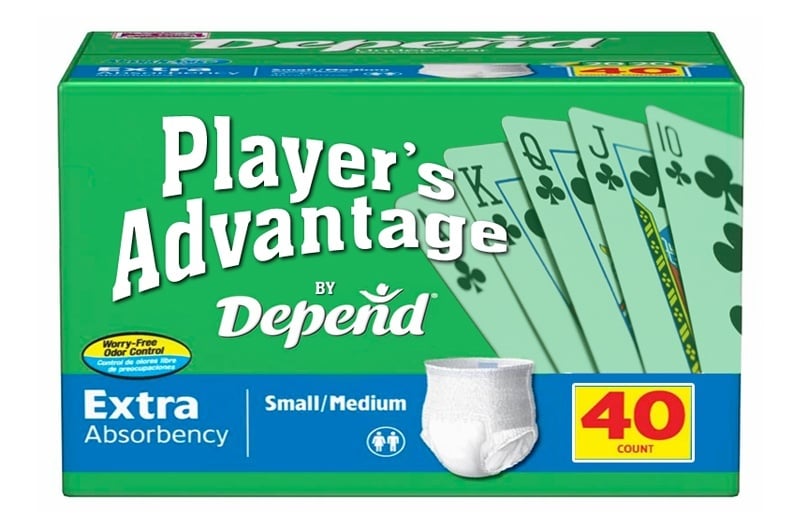
The numerous highway billboards and commercials paint a picture of Las Vegas extravagance when entering a casino, and the interior of Graton is quite impressive. The real picture of addiction, however, is a bit more gruesome. Slot machine players, for example, are fearful of leaving a slot they’ve been playing for a while, sometimes more than 24 hours. Many choose to wear diapers, refusing to use the building’s facilities.
 
Addicts have the option of participating in self exclusion, where they voluntarily ban themselves from a chosen casino. It requires some paperwork and is often proved ineffective. Ideally, the self-excluded person will be recognized and removed from the building. If they gamble and win, their winnings are supposed to be handed over to an account that will benefit non-profit addiction programs. An employee at Graton, who wished to remain anonymous, admitted this practice is rarely enforced.
 
“In order for people to join this group, you have to push that button,” Russell says of her Facebook page. She does moderate the conversations, keeping them civil and upholding certain regulations.
 
Members, for example, are not allowed to mention dollar amounts lost or won. There’s also a large amount of spam that needs to be filtered out as many businesses that feed off of people with gambling addictions will try and usher members to play online poker or apply for phony debt relief.
If members reach out to Russell, even if they are halfway across the country, she finds a counselor or meeting in their area to help. There is help, not only on Russell’s Facebook support group, but also at local Gambler’s Anonymous meetings. Another resource for information and advice for those affected by gambling is www.gamblersanonymous.org.
 
As with any addiction, gambling is often uncontrollable and regularly ruins lives. The consequences of a business are not always shown in annual statistics but rather in the stories of those suffering quietly. The Graton Casino may have put Rohnert Park “on the map” but it has also may be the cause of many individuals straying from their own path.


Monday, February 10, 2014

The pretense that CRIME doesn't increase.....


The Rohnert Park/Cotati Community Voice gets it right in this article about the newly-released Rohnert Park police departments crime report. This report is for crimes committed within the Rohnert Park city limits only. The casino site is located one block outside the Rohnert Park city limits, and is not included in the City's crime reporting. The casino is patrolled by the Sonoma County Sheriff's Department, not the Rohnert Park police, and the Sheriff has not yet released a report. Our thanks to the Community Voice for including the information on the increase in DUI's, the fact that nine vehicles have been stolen from the casino, and that there are numerous car break-ins at the casino's parking lot.


Post-casino crime report released
CHP reports boost in DUIs; violent crimes in Rohnert Park hold steady
By Mira Brody February 7, 2014 12:00 am
Since the opening of the Graton Casino nearly three months ago, much of the concern has been focused around tainting Rohnert Park with the types of crimes that seem to flock to gambling facilities. Whether patrons of casinos become more reckless or that it attracts out-of-towners who may cause trouble, many citizens have expressed unease about the level of safety they feel in Rohnert Park, and how having a casino less than a mile from local schools increases the likelihood of there being irreversible damage.
 
Aside from a parking lot mugging, which left a 67-year old man in the hospital, the casino has attracted little more than a rise in DUIs, mostly documented along the Cotati Grade. According to a press release from the Rohnert Park Department of Public Safety, crime involving prostitution, vandalism and narcotics has not increased at all.
 
“We’re definitely getting more activity in the general area,” comments John Sloat, who has been with the California Highway Patrol for 12 years and its public information officer for five. “We have taken a lot of DUIs that claim they are coming from the casino. But then again when we ask where they are coming from, people don’t give us a truthful answer, so it’s hard to get the full picture.”
 
CHP does not target the grounds themselves, but rather have worked to increase the number of patrols on the stretch of freeway between Petaluma and Santa Rosa. Those seen in the parking lot grounds are both privately contracted security guards and a few Sonoma County Sheriff vehicles.
 
One problem in the parking lot is cars are both being stolen and broken into; nearly nine were stolen from the casino area in the month of December alone. Sloat offers some sound advice for both visiting the casino and anytime you are leaving your car behind for an extended period of time.
 
“Don’t leave valuables visible in your vehicle,” he says simply. “If you don’t want to take it with you into the casino, leave it in the trunk. A majority of thefts are simply crimes of opportunity.”
 
Although not enough data has been collected to determine the long-term effects of the Graton Casino in the community, the Rohnert Park Department of Public Safety has made plans to keep a close eye on activity around it and work quickly to, “adjust our personnel and resources accordingly.”


Monday, January 20, 2014

Media Censorship!

Those of us involved with opposition to Predatory Gambling have suffered from media silence and censorship too often. Local papers fail to print letters proclaiming the FACTS, stating accurate statistics about the increased crime the Gambling Industry denies - it's all too common!

The media has lost its journalistic ethics.

Narcotics arrests top the charts at casino; Hey, PD, you forgot something


In this Issue:
  • Hey, Press Democrat! You forgot something!
  • Drought emergency looms, casino sucks water at unknown rate
  • 24
  • Graton Casino: Crime Magnet
  • First restaurant closes at casino
  • Did you know?
  • Our T-Shirt seen around town
  • Lawsuit continues forward

HEY, PRESS DEMOCRAT! YOU FORGOT A COUPLE OF SENTENCES!

The Press Democrat recently printed Wilfred Avenue-area resident Pam Miller's Letter to the Editor, but the left out the last two sentences.
Here's the letter Pam wrote, including the last two sentences.
You figure out why the PD's Editors cut them!
"Dear Editor,

"Your paper paints a rosy picture of how the new Graton Casino is bringing Rohnert Park back from the brink of disaster. I'd like to share some of the other new realities of being a neighbor of Rohnert Park's saving grace.

"While Tribal Chairman Greg Sarris resides high above his newly created magnet for questionable activity, the neighborhoods immediately surrounding the casino must now deal with the traffic, sirens, hookers, thugs, and thieves who have arrived.

"Promises of support and street closures from our elected officials go unfulfilled as the temporary street closure signs lay toppled over in drainage ditches or people simply drive around them. Imagine watching strangers slowly driving up and down your street peering into every driveway. As usual, we will have to wait until after we have a long list of disastrous events to report before any elected official will actually follow through with any assistance.

"The Press Democrat needs to do a better job of balanced reporting. Otherwise, is just looks like the former lobbyist for the tribe owns the local newspaper.

"Pamela A. Miller"
To see how the PD left out the last two sentences, click HERE


http://myemail.constantcontact.com/Narcotics-arrests-top-the-charts-at-casino--Hey--PD--you-forgot-something.html?soid=1102324248697&aid=H3uq7Xmjufw

Monday, April 22, 2013

Limits of Sucking $$$ From The Economy


Sunday, Apr. 21, 2013

Indian casinos getting out of hand in California

OUR VIEW

Indian gambling in California has exploded well beyond the "modest increase" voters were promised when they approved casino gambling just 13 years ago.

While most casinos are still in remote locations, a new push by tribes to buy additional land at lucrative freeway locations threatens to kick off a whole new Indian casino land rush. The Legislature should reduce that threat by rejecting a pair of ill-conceived gambling compacts.
 Two tribes, the Enterprise Rancheria near Oroville and the North Fork Rancheria near Fresno, won approval from President Barack Obama's interior secretary last year to acquire land more than 30 miles from their original reservations. Gov. Jerry Brown unwisely concurred in that decision and has negotiated gambling compacts with the tribes.  The Enterprise Indians seek to build their new gambling hall just off Highway 65 in Yuba County, about 10 miles south of Marysville. The North Fork Indians want to build a casino on Highway 99, about 25 miles north of downtown Fresno.
At this point in the process, the only thing standing between the tribes and their dreams of gambling riches is the state Legislature. The compacts that Brown negotiated with the tribes must be approved by lawmakers.

Powerful opponents and proponents are lining up on both sides. Deep-pocketed investors from Nevada and Chicago are bankrolling the Enterprise and North Fork efforts. Meanwhile, existing gambling tribes oppose them, angered that their own gambling enterprises will be placed at a competitive disadvantage.

The Enterprise and North Fork tribes are engaged in reservation shopping at its most blatant. It breaks faith with voters who were told that gambling would be confined to existing Indian lands — remote areas of the state for the most part, not plopped down near cities.

Why should established gambling tribes who've played by the rules continue to live up to their agreements, to make mitigation payments to state and local governments or share their proceeds with nongambling tribes if the state breaks the spirit of the initiative and allows the competition to be much closer to their customer base?

How long before existing gambling tribes use their considerable clout and wealth to persuade authorities to let them build casinos in or near urban areas too? Every time the U.S. government takes land into trust for an Indian tribe, it creates a semi- sovereign ministate within a state's borders. There are 110 federally recognized Indian tribes in California, and 70 or so more are seeking recognition.

How many ministates, all with the right to build lucrative casinos, can California accommodate?

The Graton Resort and Casino expects to hire 2,000 workers by the time it opens in Rohnert Park, in Sonoma County, later this year. But many of those jobs will simply be taken from somewhere else.
 There is only so much disposable income for gambling in California, and the state is already saturated with casinos. Each one that is added takes from another. It's a zero-sum game.  http://www.modbee.com/2013/04/21/2680932/indian-casinos-getting-out-of.html    

Thursday, February 21, 2013

Social Justice-Impact on the Poor


The families living in low-income housing near the Graton Rancheria casino will bear the brunt of the traffic, noise, and pollution problems that will happen because of the casino. Let’s not add another burden to the lives of those in need – stop the Graton Rancheria Casino! http://www.stopthecasino101.com/id72.html
 
Social Justice-Impact on the Poor

child.jpg
Creating a Ghetto on Rohnert Park's West Side: What the casino will do to Rohnert Park's low-income families and children.
West Side Story.....

Rohnert Park's poor families will suffer the greatest impact from the casino proposed by the Federated Indians of Graton Rancheria. Rohnert Park's low-income housing is located primarily on the west side of Highway 101, and most of that housing is less than 1/4 mile from the casino site. Five low-income developments now exist near the casino site west of 101 in Rohnert Park, and more low- to very low-income housing is planned for the West Side in the next ten years, all of it less than 1/4 mile from the casino.

On the east side of the freeway, Rohnert Park's more affluent neighborhoods are graced with thirteen beautiful parks, many with swimming pools and tennis courts. But on the west side of the freeway, it's a different story. There are no parks, no pools, and no tennis courts for the city's thousands of low-income residents, and now Rohnert Park's low- income families will have to bear the brunt of the mega-casino's impacts on traffic, and noise and air pollution, as well as the increase in crime and prostitution the casino will surely bring.

But that's not all:


Gambling Addiction and Low-Income and Minorities: According to a recent study by the University of Buffalo Research Institute on Addiction, "...individuals who live within ten miles of a casino or are in a disadvantaged neighborhood are more likely to experience problem gambling...." - a double whammy for the residents on Rohnert Park's West Side. Families in Rancho Verde Mobile Home Park, one of several low-income housing developments on Rohnert Park's West Side, would have the casino literally in their back yards, and the Park's children will be exposed to the negative impacts from the Federated Indians of Graton Rancheria's mega-casino on a daily basis.

University of Buffalo study (PDF)-Click Here
webassets/_Mom_Asthma.jpg

Asthma and the Casino: Did you know that Rohnert Park has the highest rate of asthma, especially in children, in Sonoma County? Asthma disproportionately impacts low-income communities and communities of color. Casino traffic will dump over 4 tons of NOx into the air every single year, as well as soot and other pollutants. Asthma affects people from all walks of life, but, low-income and minority populations have much higher fatality rates, hospital admmissions, and emergency rooms visits due to asthma.

http://www.stopthecasino101.com/id72.html

Saturday, October 20, 2012

The Community Voted NO!


From: Stop the Casino 101 Coalition:


webassets/LagunaDeSRookingeEastFromStonyPointRoad_NCRWCB.jpg

AFTER????
CasinoArchitectDrawingGIF.gif
This is only a portion of the entire casino-Click Pic for More

Tribal casino to pay at least $9 million a year to Sonoma County

Graton Rancheria could pay up to $38 million more in deal to offset Rohnert Park casino impacts


By JEREMY HAY
THE PRESS DEMOCRAT
10/20/2012
Published: Saturday, October 20, 2012

The tribe building a casino in Rohnert Park has agreed to pay at least $9 million annually to Sonoma County to offset the impacts of the project, plus up to $38 million more a year if its revenues hit projections.

Facts


TRIBAL PAYMENTS TO SONOMA COUNTY

Under an agreement that Sonoma County supervisors are to take up on Tuesday, the Federated Indians of Graton Rancheria would make a series of payments to the county, including:

ANNUAL PAYMENTS
$3.1 million for law, justice, public safety and tribal relations.
$2 million to the Sonoma
County Transportation Authority to complete work on the Marin-Sonoma Narrows project on Highway 101. After the 10th year, or following completion of that project, the tribe would pay $2 million annually to fund projects on 101 between Highway 12 and the Sonoma- Marin County line or other arterial roads serving casino.
$1.79 million to be paid as development and mitigation fee programs. The payment is equivalent to what a commercial developer would pay in order to obtain a permit.
$1 million to fire districts.
$700,000 to be paid in lieu of county transient occupancy tax once a planned hotel opens.
$600,000 for education, prevention and treatment programs to address gambling addiction and problems associated with substance abuse, mental illness, elder abuse, domestic violence and child abuse and neglect.
$500,000 to mitigate the impacts on local roads within a two-mile radius of the casino.
$416,918 to mitigate crime impacts. Santa Rosa will receive $286,923; Petaluma, $102,591; Sebastopol, $14,596; Cotati, $12,808.
$275,000 for a water conservation program.

ONE-TIME PAYMENTS
The tribe's proposed one-time payments to the county include:
$1.7 million to hire and train four new sheriff's deputies and purchase two new sheriff's vehicles.
$1.5 million for fire and emergency services.
$1.5 million for measures to offset the project's groundwater use.
$370,000 for traffic improvements near the casino.
$60,000 for "tribal relations."

The payments from the Federated Indians of Graton Rancheria, some of which would start this year, are nearly four times what the county previously estimated it would get.

And they are separate from those laid out in a 2003 agreement between the tribe and Rohnert Park, under which the tribe is to pay the city about $200 million over 20 years.

“Without a doubt, I think it's the best agreement that's ever happened between a tribe and a local government,” said Shirlee Zane, chairwoman of the county Board of Supervisors. She lauded the tribe for its participation.

“I think they've set a good role model for other tribal agreements in the future,” she said. “The tribe has been continually trying to put their best foot forward in terms of negotiating and really giving back to the community.”

The county in 2008 concluded that although it opposed the casino, it could not stop it, and reached a deal with the tribe to negotiate payments to address its impacts. Those negotiations led to the agreement announced Friday.

The casino, with a maximum of 3,000 slot machines, is projected to open next year. The tribe secured $850 million in financing in August.

Of the money the county would get, Santa Rosa, Petaluma, Sebastopol and Cotati would share $416,000 a year for law enforcement, and county fire districts would split $1 million.

Page 2 of 4

Also the tribe is to make one-time payments totaling $5.1 million, mainly to address costs associated with public safety, traffic improvements and measures aimed at addressing the casino's anticipated impact on groundwater supplies.

An initial payment of $3.52 million is expected to come in January to cover public safety costs, including the hiring of four new sheriff's deputies.

The agreement extends for 20 years, the term of the gambling compact between the state and Graton Rancheria that allows the tribe to operate a Las Vegas-style casino. That compact required the tribe to sign agreements with the county and Rohnert Park before opening the casino.

Work on the project started in June and its steel framework began rising on 66 acres last week.

The board is to vote on the agreement Tuesday. Zane wouldn't predict the outcome of that vote, but she said the agreement, reached after 3½ months of negotiations, achieved everything the county wanted and more.

“This agreement has met, I believe, every single concern that we've put forward in terms of mitigation,” she said.

“In addition to that, there are community benefit dollars that will come back to the county for mutual interests,” she said, referring to money that the tribe would give the county, primarily for open space projects, if it has money left over after its payments to the state, county and Rohnert Park.

In practice, the tribe is to pay, for the first seven years of operation, 15 percent of its net earnings from gambling to the state into a Graton Mitigation Fund. After seven years, that drops to 12 percent. The state then distributes that fund to Rohnert Park and the county.

Page 3 of 4

In April, the state and tribe projected those earnings, known as net win, as $350 million in the casino's first year, rising to $418 million in its seventh year.

Neither the tribe nor its attorney responded Friday to requests for comment. Nor did opponents of the casino, who are still fighting it in court.

The agreement includes language allowing the county and tribe to reopen negotiations if impacts are found to be greater than projected, something supervisors had pushed for.

“There might be unforeseen issues that come up outside the scope of the agreement, the tribe may want to do something, or the county may recognize something that we want to address, and there's a mechanism to do that,” said Supervisor David Rabbitt, whose 2nd District includes the 254-acre Wilfred Avenue casino site just south of Home Depot.

Over and above the $9 million a year the county is guaranteed, the agreement stipulates that once the tribe meets its financial obligations to Rohnert Park and the state, it will begin paying the county more.

It would give up to $25 million a year to county parks and the county's Open Space District. The money could not be used to buy more land. It would go to create public access to parks and open space, conserve and protect environmental resources, develop organic gardens and farms serving “disadvantaged” people and enhance understanding of local Native American tribes.

Should that $25 million be paid in full, additional monies would go first to other environmental projects and then to the county's Indian Health Project and other Sonoma County tribes that do not run gambling operations.

Page 4 of 4

Asked whether the casino, which has been one of the most controversial projects ever in the region and is still bitterly resented by many, might prove to be a net win for the county, Rabbitt said: “I think that the proof's really in the pudding going forward, and we'll see.”

“My hope is that it will be seen as a positive,” he said. “My hope is that the majority of people will visit the casino in a bus, leave their money here and go home.”


http://www.petaluma360.com/article/20121020/COMMUNITY/121029996/1362/community?p=4&tc=pg

Thursday, August 23, 2012

Who knew?


Most 'developers' and Gambling Industry 'experts' overstate revenues, many leading to casino bankruptcies.

Maybe this is one of the consequences that make sense.

Complaint Filed With Sec on Station Casinos Investor Information