Meetings & Information


*****************************
****************************************************
MUST READ:
GET THE FACTS!


Showing posts with label Freetown MA. Show all posts

Tuesday, September 11, 2012

Aquinnah tribe seeks role in suit


Aquinnah tribe seeks role in suit

2011 casino law is being contested


By Mark Arsenault|Globe Staff
September 11, 2012

The Wampanoag Tribe of Aquinnah told a federal judge Monday that the tribe should be permitted to intervene in a lawsuit by a private developer seeking to overturn part of the 2011 state casino law.

The tribe is trying to join a case filed last November by KG Urban Enterprises, a developer suing the state for the right to bid for a commercial casino license in New Bedford.

Lawyers for the state and for KG Urban told US District Judge Nathaniel Gorton that they probably would oppose the tribe’s motion to join the case, but wanted time to develop their arguments. ­Gorton gave the two sides until Sept. 19 to submit briefs on the tribe’s attempt to intervene.

The Aquinnah tribe argues that it deserves to be heard in the lawsuit because the outcome of the case could affect the tribe’s ability to pursue a casino development.

KG Urban is challenging a section of the state’s 2011 casino law that delays commercial casino develop­ment in Southeastern Massachusetts to give a federally recognized tribe the opportunity to make progress toward a tribal casino.

Native American tribes may develop casinos under a 1988 federal law, the Indian Gaming Regulatory Act, though there are significant legal hurdles to winning federal approval. The state gambling commission is not expected to license a competing commercial casino in Southeastern Massachusetts if a tribe is able to develop a gambling resort under federal law.

In February, Judge Gorton upheld the state casino law and dismissed KG Urban’s challenge. After the company appealed, the US Court of Appeals for the First Circuit vacated the dismissal and ­remanded the case to the lower court.

Governor Deval Patrick and another tribe, the Mashpee Wampanoag, have agreed on the details for a Southeastern Massachusetts tribal casino in Taunton. The Mashpee still face legal hurdles over acquiring land.

Patrick has refused to negotiate a similar casino deal with the Aquinnah, holding to the state’s longstanding position that the Aquinnah gave up the right to host gambling in a land settlement in the 1980s, when the tribe agreed to abide by state law on its sovereign land. The Aquinnah maintain that they have the right to pursue a casino.


http://bostonglobe.com/metro/2012/09/10/aquinnah-tribe-argues-entitled-intervene-casino-lawsuit/OKFvxmmYmzzwajndK0i62H/story.html

Both Freetown and Lakeville overwhelmingly opposed the Aquinnah proposal in their communities.


Aquinnah file lawsuit to intervene in casino permit
By Will Richmond
Posted Sep 08, 2012

The Wampanoag Tribe of Gay Head-Aquinnah filed a motion Friday in U.S. District Court to intervene in a private developers case seeking to eliminate the provision that licences a casino to a Native American tribe.

The suit — filed by KG Urban Enterprises against Gov. Deval Patrick and the members of the Massachusetts Gaming Commission — claims the state is in violation of the federal and state equal protection clauses by permitting Native American tribes the first shot at a casino license in southeastern Massachusetts.

In the motion filing, the Aquinnahs seek to maintain the provision to maintain their hopes of landing a license.

“As the only tribe with existing trust lands in the commonwealth, Aquinnah’s eligibility to game on those lands is directly at issue. Without Aquinnah’s intervention to demonstrate its eligibility to game on its Settlement Lands, Aquinnah’s ability to obtain a compact pursuant to (section) 91 will evaporate,” the motion stated.

The state is currently in the process of awarding the license to the Mashpee Wampanoag Tribe. KG Urban has sought to develop a casino in New Bedford.


Read more: http://www.heraldnews.com/news/x2107491726/Aquinnah-file-lawsuit-to-intervene-in-casino-permit#ixzz26CcGdgUg

Saturday, September 8, 2012

Multiple Choice Aquinnah Headed to Court


Overwhelmingly opposed by voters in Lakeville and Freetown, the Aquinnah persist
in Reservation Shopping!

To date, only Taunton has been uninformed enough to support Predatory Gambling in
their community, believing the propaganda.


Aquinnah take pursuit of casino license to court

By Mark Arsenault
Globe Staff / September 8, 2012

The Wampanoag Tribe of Aquinnah is taking its pursuit of a casino license to federal court, filing a motion on Friday to intervene in an existing lawsuit that challenges the state’s 2011 casino law.

The Martha’s Vineyard-based tribe argues that the outcome of that lawsuit — filed last November by KG Urban, a company seeking to build a commercial casino in New Bedford — could deprive the Aquinnah of an opportunity to pursue a tribal casino.

“There are issues being decided in this case that will be very important to us,” said John J. Duffy, a lawyer representing the tribe. The Aquinnah argue they should be allowed to participate in the case because the tribe cannot depend on the state or KG Urban to protect its interests in court.

The Aquinnah’s effort to join the case could complicate what is already an unsettled fight for casino development rights in Southeastern Massachusetts.

KG is challenging language in the casino law that delays any bidding for a commercial resort casino in the southeast to give a federally recognized tribe the chance to make progress toward a tribal casino.

Native American tribes are entitled to pursue gambling under a 1988 federal law, the Indian Gaming Regulatory Act.

If a tribe is successful in winning federal approval for a casino in Southeastern Massachusetts, the state is not expected to license a competing commercial gambling resort in the region.

In suing the state, KG Urban is seeking the right to compete for a commercial license in the southeast.


Chief Negotiator for the Commonwealth


Governor Deval Patrick in July reached a deal with another tribe, the Mashpee Wampanoag, over the terms for a tribal casino in Taunton. But there is no guarantee the Mashpee will ever be able to build a casino because the tribe still must overcome legal obstacles.


Patrick has refused to negotiate a casino deal with the Aquinnah, citing a longstanding position among state officials that the Aquinnah gave up their federal rights to host gambling because of a land settlement in the 1980s, when the tribe agreed to abide by state law on its sovereign territory.

The Aquinnah have long maintained that they have the right to pursue gambling. A 20-page brief the tribe filed on Friday begins to flesh out their argument.

The tribe says that the Indian Gaming Regulatory Act, which became law after the tribe’s land settlement, is an “implied repeal” of the restrictions that would prohibit an Aquinnah tribal casino.

In February, US District Judge Nathaniel Gorton upheld the state law and dismissed KG’s challenge.

The company appealed and the US Court of Appeals for the First Circuit in August vacated the dismissal and remanded the case back to the lower court. The case is scheduled for a status conference on Monday.

http://www.boston.com/news/local/massachusetts/articles/2012/09/08/aquinnah_tribe_takes_casino_pursuit_to_federal_court/


Aquinnah seek to intervene in casino suit


The Wampanoag Tribe of Gay Head (Aquinnah) wants to intervene in KG Urban's lawsuit against the state's Expanded Gaming Act to protect its gaming rights on its sovereign land in Massachusetts.
 
John R. Casciano of the high-powered Washington, D.C., law firm of Steptoe and Johnson filed a motion late Friday asking that the tribe be considered an "intervenor defendant" alongside Gov. Deval Patrick and the state gaming commission.
 
"These are big issues, whether states can provide advantages to tribes," and the other parties in the suit will not protect the Aquinnah's interest, said John Duffy of Steptoe and Johnson. "We ought to be in there, and we ought to have our say."
 
A memorandum in support of the motion states: "Without a determination that a tribe in the commonwealth possesses Indian lands ... Section 91 (of the Gaming Act) is not 'authorized' by federal law and will be ... likely struck down as unconstitutional.
 
"As the only tribe with existing trust lands in the commonwealth, Aquinnah's eligibility to game on those lands is directly at issue."
 
The Expanded Gaming Act gives preference to a federally recognized tribe for the exclusive license to operate a resort casino in Southeastern Massachusetts.
 
The state has since negotiated a compact to allow the Mashpee Wampanoag Tribe to run a federally regulated casino in Taunton, but only if the compact is approved by the federal Bureau of Indian Affairs and the land is taken into trust.
 
The state has refused to negotiate with the Aquinnah on its plans to build a casino in the Freetown-Lakeville area or on sovereign land on Martha's Vineyard, saying the tribe ceded its gaming rights in a 1980s land deal.
 
"We have repeatedly had a different view," Duffy said of the state's claim. "To be honest, the state has had more than one view on that."
 
KG, which is hoping to build a commercial casino on the New Bedford waterfront, filed suit on the day the Expanded Gaming Act was signed, saying the preference given to tribes for the Southeastern Massachusetts casino license was a "race-based set-aside" that violated the Equal Protection Clause of the Constitution.


Wednesday, August 22, 2012

6 More Drunks!


We're all appreciative of the sudden interest and heightened patrols of regional roads, but doesn't this tell you something???


Massachusetts lacks adequate funds to properly patrol its highways on a regular basis.


And a proposed Genting/Mashpee Wampanoag Gambling complex in Taunton that provides FREE ALCOHOL, allows DRUNKS to depart the premises intoxicated will exacerbate the problem.


And Massachusetts is considering extended "HAPPY HOURS" to bars and restaurants??


Route 24 patrols continue to net drunk drivers

By Justin Graeber
Posted Aug 21, 2012

Six more drunk drivers were caught on Route 24 as a result of stepped-up weekend patrols by the state police.

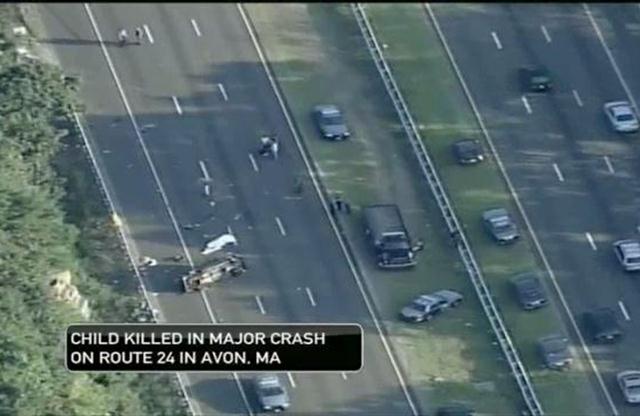
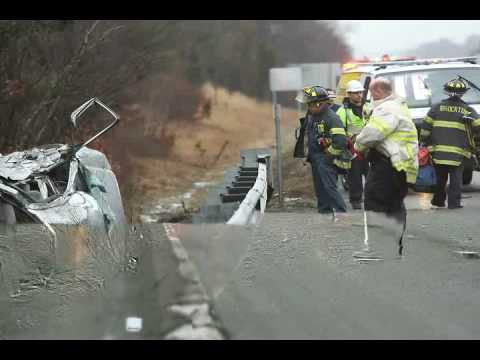
For the past four weekends, state police have increased patrols and enforcement on Route 24 in the wake of several fatal accidents in a short time span.

Thus far this year, troopers have made 33 drunk driving arrests, 32 non-OUI arrests, and issued 24 criminal summons. Troopers have written a total of 1,094 motor vehicle citations during the four weekends of the surge, according to the state police.

This weekend, in addition to the drunk driving arrests, troopers made 12 other arrests and issued five criminal summons. Additionally, troopers wrote 338 citations for motor vehicle violations.

Last week’s patrols netted more drunk drivers (10) but less citations (262).

Additionally, the State Police Commercial Vehicle Enforcement Section stopped 16 speeding trucks on Route 24 last week and conducted 23 commercial vehicle inspections. The truck team took two trucks out of service, one for faulty brakes and another because the driver had a suspended license.

Truck team troopers wrote 38 citations to truckers.

The additional patrols, which complement regular patrols from the Middleborough and Dartmouth Barracks, will continue through the end of September.


Read more: http://www.enterprisenews.com/topstories/x1055169683/Route-24-patrols-continue-to-net-drunk-drivers#ixzz24HNS7Yvx


Four hospitalized after crash on Route 24 in Raynham
By Justin Graeber
Posted Aug 22, 2012


Four people were sent to the hospital, one by medical helicopter, after a crash on Route 24 Tuesday night.

The crash occurred around 8:23 p.m. on the southbound side of the highway, south of exit 14, according to the state police.

Three cars were involved in a chain-reaction crash, and the accident happened in the left travel lane, police said.

Three people were taken to Good Samaritan Medical Center in Brockton by ambulance, and a person in the third vehicle in the was flown to Beth Israel Deaconess Medical Center in Boston. That
person's injuries were described as non-life-threatening.

The cause of the accident is still under investigation.


Read more: http://www.enterprisenews.com/topstories/x186674522/Four-hospitalized-after-crash-on-Route-24-in-Raynham#ixzz24HTWef72

Sunday, August 5, 2012

Gotta love the cheerleaders!


DPW official says casino's arrival will benefit Taunton water service
By Charles Winokoor
Posted Aug 04, 2012


DPW water division supervisor Cathal O’Brien isn’t interested in discussing the pros and cons of gambling.
But he doesn’t mince words when outlining anticipated benefits, in terms of water service to nearby residents — in the event that a proposed Mashpee Wampanoag resort casino in East Taunton becomes a reality.
Any water-related infrastructure improvement, he says, bodes well for improving service to existing residential and commercial customers, O’Brien said.

“It will be the best thing that ever happened to Taunton water, if they (the tribe) comply with the requirements — and I’m sure they will,” he said.


Ayup! Just as they did in Middleboro!


The city, according to the Department of Public Works, now uses an average of 5.75 million gallons of water per day drawn from Assawompsett Pond in Lakeville and Middleboro.


Ignoring in the consideration has been the regional flooding of the Assawompsett Pond Complex, pictures preserved on the link below.


http://www.wtpaddlers.org/phpBB3/viewtopic.php?f=3&t=1958
The advent of the $500 million casino complex will increase demand by an estimated 220,000 gallons per day, according to an evaluation report issued by CDM Smith, the engineering consultant hired by the city as part of an intergovernmental agreement with the Indian tribe.
O’Brien stands by that estimate. He also says the pond complex has more than enough water to spare.
“It shouldn’t be a problem. It’s so small we don’t believe it will have an impact,” he said.
The CDM Smith report recommends a new 16-inch water main be installed and connected to an existing 24-inch main in Middleboro Avenue to ensure adequate fire-protection water flow, not just to an emergency entrance on Hart Street but also at the main entrance on Stevens Street.
O’Brien said he’s got his own wish list he hopes eventually will be part and parcel of any final water-main plan, including a new main running to Harts Four Corners.

“We’ve had some issues with rusty water” in that part of East Taunton, said O’Brien, who added that an upgrade will rectify previous problems of pressure and purity.
The intergovernmental agreement stipulates $14.8 million in mitigation compensation to the city, including $2 million for water service.
O’Brien stressed that the water division’s principal objective is to ensure there be “no negative impact on existing customers.”

David Hewett, of Epsilon Associates, the consulting firm hired by the tribe to compile impact reports for state and federal environmental agencies, said the procedure behind calculating water needs is not mysterious.

“It’s like a cook book,” he said, based on the number of hotel rooms, square footage of retail space and seats in restaurants and other areas.


Epsilon is responsible for preparing an environmental impact report as per the Massachusetts Environmental Policy Act, and an environmental impact statement as required by the National Environmental Policy Act.

O’Brien said the resort’s water requirements wouldn’t affect existing wells in the area, in part because the proposed site in the Liberty and Union Industrial Park is mostly upstream from the Cotley River.

He also said the aquifer from which private well owners draw water wouldn’t be compromised.
O’Brien points out that the 800-plus-acre Myles Standish Industrial Park encompasses two healthy wells that used to be part of the Paul A. Dever State School property, and that BJ’s Wholesale Club across the street sits partially on an aquifer that is in good shape.

As for a resort casino water park, he stressed that the water would not be replaced on a continual basis and instead would essentially be recycled.

And, although the scale is significantly different, O’Brien compared it to the swimming pool at Hopewell Park in terms of demand.

Email Charles Winokoor at cwinokoor@tauntongazette.com.


Read more: http://www.tauntongazette.com/news/x739402731/DPW-official-says-casinos-arrival-will-benefit-Taunton-water-service#ixzz22gEVXpz8


Great location!


Tuesday, July 31, 2012

How transparent!


The long ignored failed roadways have suddenly forced the Powers-That-Be to focus on the concerns of surrounding towns that will have to deal with DRUNKS departing the proposed Genting/Mashpee Slot Barn in Taunton after consuming FREE ALCOHOL.

The Commonwealth apparently is unable to appropriately patrol the roadways under normal circumstances and unable to keep travelers safe.

What does that say about the future?


Beefed-up patrols on Route 24, I-195 net nine drunk drivers; 222 tickets issued

By Maria Papadopoulos
Posted Jul 31, 2012


State police netted nine drunk drivers – including one going the wrong way and another who nearly struck a trooper on construction detail – on Friday and Saturday nights during the first weekend of beefed-up patrols on Route 24 and I-195, state police said.


State police – who also issued 222 citations to drivers – are “very pleased” with the results of the first patrol surge, state police spokesperson David Procopio said Monday.

“The troopers assigned to this initiative did a great job on the first two nights. But we are just beginning,” he said. “We will be out there overnight every Friday and Saturday through the end of September, and we will keep hammering any motorist who puts the lives of others in danger. We will make these roads a very difficult place to drive if you’re drunk, distracted, or aggressive.”

The statistics for the first weekend were released Monday. State police announced Thursday they are nearly tripling patrols on Route 24 and I-195 on Friday and Saturday nights through September, after a string of recent fatal crashes on Route 24.

Locally, two horrific accidents – one in Avon on July 12 and the other in West Bridgewater on July 15 – claimed three lives, including a 12-year-old girl from Norton.

Two drunk drivers were arrested Friday night, while seven more were arrested Saturday night, state police said.

Early Sunday morning, troopers arrested one of the alleged drunk drivers, Nicholas Pilla, 25, of New Bedford, after he drove the wrong way – northbound on the southbound side of Route 24 in Berkley at 3:15 a.m.

Troopers said Pilla’s eyes were “glassy and bloodshot” and his breath smelled like alcohol. Pilla was charged with operating the influence of liquor and negligent operation after troopers performed several field-sobriety tests, police said.

Early Saturday morning, a Brockton man arrested for drunken driving was among two drivers seriously injured in a two-car crash on Route 24 northbound, north of Exit 8 in Freetown at 1:35 a.m., state police said.

Jose Perez, 49, of Brockton, who was driving a 1999 Ford Mustang, was charged with operating under the influence, negligent operation, and marked lanes violation. Perez and the other driver, a 24-year-old Middleboro woman driving a 2000 Chevrolet Cavalier, were both sent to Rhode Island Hospital with serious but non life-threatening injuries, state police said.

It was not part of the targeted patrols on Route 24, but state police also arrested an Ohio man and charged him with drunken driving and driving the wrong way early Monday morning on Route 140 in New Bedford, state police said. State police received several calls just after midnight reporting a driver traveling northbound in the southbound lanes of Route 140 in New Bedford.


Trooper Brendan Roper used his siren and blue emergency lights and his spotlight to signal Robert Pina, 45, of West Chester, Ohio. State police said Pina looked over at the marked state police cruiser and continued to drive his car down the road.

Freetown police responded and positioned a police cruiser in the breakdown lane with emergency lights and officers set up a vehicle tire-deflation device in the middle of Route 140, state police said.
Pina’s car came to a stop just before the tire-deflation device and pulled over into the breakdown lane.

Pina’s eyes were “glassy, bloodshot,” he had a strong odor of an alcohol on his breath, and he failed several sobriety tests, state police said.

Pina was charged with operating under the influence of liquor, negligent operation, and wrong-way operation. He was set to be arraigned Monday in New Bedford District Court.

State police deployed 11 additional patrols on Routes 24 and I-195 on Friday and Saturday. The extra patrols ran from 8 p.m. Friday to 4 a.m. Saturday and from 8 p.m. Saturday to 4 a.m. Sunday, and will continue through September. They compliment regular patrols of the Middleboro and Dartmouth barracks.

Maria Papadopoulos may be reached at mpapadopoulos@enterprisenews.com.

READ MORE about this issue.


Read more: http://www.enterprisenews.com/features/x737576686/Beefed-up-patrols-on-Route-24-I-195-net-nine-drunk-drivers-222-tickets-issued#ixzz22D3Nnt4R


Saturday, July 21, 2012

Gaming commissioner says communities have time to address casino concerns


Gaming commissioner says communities have time to address casino concerns


By NICHOLAS WALECKA
Special Writer

LAKEVILLE — Representatives from seven surrounding towns met last week to voice their opinions on several issues surrounding the casino resort that is being proposed for a site in Taunton by the Mashpee Wampanoag tribe.

Officials from Bridgewater, Raynham, Middleboro, Lakeville, Freetown, Norton and Berkley met at the Lakeville Senior Center with State Gaming Commissioner Stephen Crosby last Thursdayt afternoon.

The meeting was arranged by state Rep. Keiko Orrall (R-Lakeville) on behalf of community officials who have expressed concern about the lack of local involvement in determining whether a tribal casino will be permitted in Southeastern Massachusetts.

"I think the intent is for this to be an open and transparent process," Rep. Orrall said. "At this point, it hasn't been."

Issues raised by the towns ranged from concerns about where the water supply for the casino would come from, to other issues like wear and tear on local roads and bridges, as well the effects it could have on surrounding wildlife.

While State Gaming Commissioner Stephen Crosby did not have many answers to the numerous issues raised by the towns, he did offer assurance that each issue would be taken into consideration.

"You have asked a bunch of questions that I do not have answers for, (but) I've taken notes," he said.

"We will try our best to get answers for you.

"You're stronger in a group than you are individually. Taken together, you have a lot of muscle," said Mr. Crosby. "It's a great sign that you're willing to take the time."

Mr. Crosby was adamant about the whole process being a slow one, and urged the town representatives not to panic, but rather to be patient.

"This is going to take a long time," he said. "There is time to strategize. You will be able to weigh in every step (of the process). You've got time and there will be resources available."

One of the major issues discussed was the allocation of funds that would potentially be redistributed to local communities.

According to the compact the tribe recently signed with Gov. Deval Patrick, 21.5 percent of gross gaming revenue from the casino, or an estimated $21 million per year, would go to the

Commonwealth, with an estimated $7 million to be distributed to the towns surrounding the casino.
This money would be used to deal with issues stemming from the potential casino, including issues with the water and sewer systems, schools, traffic and infrastructure.

Mr. Crosby said an environmental impact study will be conducted at some point, and the results of this will also help determine where the money will be distributed.

Mr. Crosby said the compact "defines the surrounding community."

"We will be able to determine at our discretion who has access of these money," said Crosby. "We are pushing very hard to provide the resources so that you all have been treated fairly.

The Mashpee tribe still has a number of challenges to overcome, including the need to have the federal government take the Taunton land into trust for the tribe. That process was stymied in 2009 by a Supreme Court decision that prohibits the Department of the Interior from taking land into trust, or creating sovereign tribal land, for tribes that were not recognized by the federal government by 1934.


The Mashpee tribe has also been challenged by Middleboro officials who contend the tribe never resolved its issues with the town after changing its mind about building a casino resort on land off Precinct Street.


Governor’s Mashpee casino deal cuts out Gay Head tribe


July 19th, 2012

Governor’s Mashpee casino deal cuts out Gay Head tribe


The odds that the Wampanoag Tribe of Gay Head (Aquinnah) will cross the casino finish line ahead of the Mashpee Wampanoag got a little longer this week. The surest bet is that the courts may ultimately determine whether the Mashpee Wampanoags get to build a casino in Taunton, and whether the Aquinnah tribe can turn their community center into a “boutique” casino or pursue their dream of a mainland gaming complex.

Wampanoag Community Center

Gov. Deval Patrick dealt the latest hand in the long-running story of Massachusetts casino gaming last week. The Patrick administration and the Mashpee Wampanoag tribe reached agreement on the terms of a compact, a requirement for the tribe to pursue the southeastern region license, temporarily reserved for a federally recognized tribe.

Under the new expanded gaming law, the legislature must ratify a compact between the administration and an eligible tribe before July 31, or the state gaming commission would be required to seek commercial bids for casinos in Southeastern Massachusetts.

At 5 pm, Wednesday, July 18, the Massachusetts House of Representatives voted 120-32 to approve the casino compact legislation. The resolve now moves to the Senate, which has a formal session planned Thursday afternoon.

House Speaker Pro Tem Patricia Haddad said Taunton residents, who she represents, want a casino and the jobs that will come with it. “The Mashpees have been around forever,” she said.

Rep. Robert Koczera of New Bedford opposed the compact, saying it “fails to address the most contentious issue facing the tribe” — getting tribal land placed in trust by the federal government, according to the State House News Service.

The compact would deliver 21.5 percent of gross gaming revenue from a proposed casino in Taunton to the state.

The percentage of revenue the tribe agreed to share is 3.5 percent less than what a successful commercial casino applicant will pay, under the state’s new expanded gaming law that allows for the licensing of up to three regional casinos in the state, and one facility featuring slot machines.

Federal law requires states that allow gaming to negotiate gaming agreements with federally recognized tribes, and it gives broad rights to those tribes to construct gambling facilities on lands held “in trust” for them by the federal Bureau of Indian Affairs (BIA).

The Mashpee tribe has plans to construct a $500-million resort casino in the Liberty and Union Industrial Park at the intersection of Routes 24 and 140 in Taunton.

The 15-year agreement would automatically renew, according to the Patrick administration, unless the state or the tribe provides notice for modification or non-renewal. The compact has an exclusivity clause that would reduce the tribe’s revenue sharing percentage to 15 percent if another casino were to open in the southeast region of the state.

For example, should the Gay Head tribe secure a foothold on the mainland, it too could apply to take land into trust and pursue a casino.

But there is a hitch. Unlike the Aquinnah Wampanoag tribe, which owns land held in trust on the Vineyard, the Mashpee tribe must apply to take the Taunton industrial park land into the federal trust.

The administration has agreed to fully back the tribe’s application with the Bureau of Indian Affairs to have land in Mashpee and Taunton taken into trust. Without a compact, supporters of the deal said, the state is susceptible to the tribe obtaining land and opening a fourth casino with no obligation to share revenues.

Several lawmakers from the southeast region have expressed concern about the lack of an opt-out clause in the compact, to allow the state to seek a commercial bidder in the region if land negotiations with the federal government drag on.

And they would appear to have reason to worry. The right of the government to take land into trust for tribes recognized after Congress enacted the Indian Reorganization Act in 1934 is the subject of two pending lawsuits filed in federal court. The Mashpee Wampanoag tribe was federally recognized in 2007.

Legislative leaders this week rejected efforts to amend the compact to set a deadline of Oct. 1, 2014 for the tribe to secure land in trust for a casino, after which time the gaming commission would be required to seek commercial bids for a casino development in the region.

Congratulations

Outmaneuvered at every turn by their mainland cousins, the Aquinnah tribe was spare in its praise and had some advice.

“Although the Aquinnah tribe congratulates its Mashpee cousins for reaching this threshold, it is unfortunate that the compact appears to wring unjust and burdensome concessions from the Mashpee that are highly unlikely to pass muster under the federal Indian Gaming Regulatory Act (IGRA),” Wampanoag chairman Cheryl Andrews-Maltais said in a statement emailed to The Times by the Slowey/McManus Communication firm that represents the tribe.

“Governor Patrick has clearly approached the expansion of gaming based on what he thinks he can get away with and not what the law compels him to do,” Ms. Andrews-Maltais said in the statement.

“The governor has now placed the Mashpee between a rock and a hard place as they now have to convince the Department of the Interior to approve a compact that contravenes federal law.”

The Gay Headers said that federal law prevents the state from using the compact negotiation process to extract taxes on tribal gaming revenues.

“The express purpose of IGRA is to promote tribal self-sufficiency and strong tribal governments,” the statement continued. “Tribal gaming is intended to enable tribal governments to fund the programs they need to serve their membership and steward their lands. Hundreds of examples around the country demonstrate that strong tribal governments become great neighbors, employ thousands of non-Indians, contract with local vendors and generate millions in employment and sales tax revenue, all without directly taxing tribal gaming revenue.

“Perhaps it is just as well that Governor Patrick refuses to negotiate with Aquinnah because Aquinnah would not, indeed it could not, agree to many of the provisions in the compact.”

Governor Patrick, while negotiating with the Mashpee, has taken the position that the Aquinnah tribe waived its rights to gaming when it signed the 1983 Settlement Act that led to federal recognition for the tribe and made it subject to local and state laws.

Jason Lefferts, a spokesman of the Executive Office of Housing and Economic Development, told
The Times this week that the administration’s view is unchanged. “The Commonwealth’s position on the Aquinnah’s status has remained unchanged for 15 years and through multiple administrations,” he said, “and reflects the fact that the Commonwealth’s position has been that the two tribes are in fundamentally different situations under state law.”

The Aquinnah tribe struck out recently in its efforts to convince the voters in Freetown and Lakeville to support a $167-million casino resort on 500 acres straddling the two communities along Route 140.
As a fallback position, the tribe has said that it would turn its as yet unused community center in Aquinnah into a “boutique” casino.

Federal payback

At a general membership meeting of the Aquinnah tribe on May 6, a fraction of the membership voted to use their long unfinished community center for Class II gaming.

Class II gaming encompasses high stakes bingo, poker, pull-tab cards and associated electronic games that do not require coin slots. Unlike class III gaming, which encompasses all types of gaming and requires a tribe-state agreement, tribes may regulate Class II gaming on their own lands without state authority, as long as the state in which the tribe is located permits that type of gaming.

Kevin Dwyer, a principal in KMD Consulting services of California, the tribe’s current casino backers, said the community center could be turned into a “boutique casino” that could accommodate more than 500 coinless slot machines, with buses arriving every 45 minutes.

The steel frame for the unfinished and unused building where the tribe would house a Class II gaming facility was erected in the summer of 2004 by Air Force reservists as part of a civil engineering training exercise.

But any effort to turn the community center into a casino would come with a price tag. Laura J. Feldman, a spokesman for the U.S. Department of Housing and Urban Development (HUD), told The Times that in June, HUD sent the tribe a letter “informing them that if the tribe decided to proceed with an ineligible use of the property, they could do so provided that HUD is reimbursed the current fair market value of the property.”

HUD and the tribe agreed that the cumulative amount of funds awarded to the tribe for the project, $500,000 in fiscal year 2000, and $600,000 in fiscal year 2009, “for a total of $1,100,000, would represent the fair market value of the property and that amount would be reimbursed to HUD should the tribe proceed with their plans for the building.”

Aquinnah selectmen have said they would oppose any effort to develop a casino in the Island’s smallest town. Town counsel Ron Rappaport has said the Wampanoag Tribal Council of Gay Head Inc. cannot legally operate a gaming casino in Aquinnah, based on the terms of the Settlement Act.

Legal view

Lawyer Scott Crowell of the Crowell law office’s Tribal Advocacy Group, based in Spokane, Washington, represents the tribe.

In a telephone conversation Wednesday, Mr. Crowell said the Aquinnah tribe would continue with its efforts to take land into trust in the Lakeville-Freetown area and erect a Class II gaming facility that would not require an agreement with the state, unlike a Class III facility.

Mr. Crowell said he remains confident that federal law would trump state law with regard to gambling. He said a lawsuit against the state is possible.

“We have requested that the governor negotiate a compact with the tribe for its on-Island land,” he said. “Technically we can’t compel the governor to negotiate a compact for lands we don’t yet have in trust, so the lawsuit will not be a claim in the litigation that he has failed to negotiate the compact for the mainland.”

Mr. Crowell said he congratulates the Mashpee tribe on its success.

Asked to comment generally on the process of taking land into trust, Mr. Crowell said tribes are not required to have a historic or modern connection to the property. “That being said, the regulations clearly take that factor into account,” he said. “It is not a mandatory requirement, but it is a significant factor in the department’s determination.”

by Nelson Sigelman

Sunday, June 24, 2012

Aquinnah threaten lawsuit


Aquinnah prepared to challenge state on casinos

By
A lawsuit by the Wampanoag Tribe of Gay Head (Aquinnah) could block the state from moving forward with any casinos and as a July 31 deadline looms legal action appears inevitable.
In an exclusive interview with the Times, the Martha's Vineyard-based tribe's legal team, which includes Scott Crowell, one of the country's leading Indian gaming lawyers, said the state could face two federal lawsuits.

One of the suits would seek to halt the state legislation authorizing three casinos and a slot parlor from moving forward until the tribe's federal rights are settled, and the other would target Gov. Deval Patrick for failing to negotiate with the tribe in good faith, Crowell said.

Patrick is getting bad legal advice on the tribe's federal rights and is setting himself up for an "embarrassing loss" in federal court, he said.

"Hope springs eternal, but we're running out of time," Crowell said. "We're skeptical we're going to get a fair shake."

At issue is the Aquinnah tribe's land settlement, which was approved by Congress in 1987. The state has taken a hard-line approach, claiming that the Vineyard tribe waived its sovereign rights and agreed to abide by state and local laws in reaching the deal for 400-plus acres.

The tribe's legal team insists that the federal Indian Gaming Regulatory Act — approved by Congress one year after the land deal as a way for tribes to provide self determination and self governance — trumps that land agreement.

The state has stood behind a 1997 state attorney general's opinion that the tribe doesn't have the right to open a casino.

"That's been the position of the commonwealth for the past 15 years and a number of administrations," said Jason Lefferts, a spokesman for the state Executive Office of Housing and Economic Development.

"Apparently that is the wall that Gov. Patrick has chosen to hide behind in his refusal to negotiate with Aquinnah," Crowell said. "We believe we're correct and United States (courts) will support us in our position. If we have to, we'll go to court to have a federal court tell Massachusetts that's the law."


The tribe is increasingly frustrated by the state's failure to negotiate and, most recently, with an opinion from the town counsel for the town of Aquinnah that the tribe has no rights to a casino on its island land. That opinion is based largely on the same opinions the state has stood behind, which Crowell says don't apply because IGRA is a federal law.

"I realize I'm just another lawyer with an opinion," Crowell said. But that opinion is backed up by case law before the 1st Circuit Court of Appeals and by Department of the Interior positions, he said. Notably, the Narragansett Tribe of Rhode Island won an appeal and would be offering gambling on its reservation today, if it were not for the late Sen. John Chaffee's amendment on an omnibus bill that blocked the tribe's IGRA rights, he said.

"Whatever authority existed for (Massachusetts) was lost with IGRA and the only means by which the state can get that back is through an Indian-state compact," or by an act of Congress like the Rhode Island amendment that blocked the Narragansetts, Crowell said.

Cheryl Andrews-Maltais, chairwoman of the Aquinnah tribe, said Friday that the tribe continues to press forward with plans in Freetown and Lakeville. The tribe has 500 acres under agreement in those towns and has scheduled "meet and greet" sessions for Monday and Tuesday in preparation for referendum votes May 29 and June 2.


Those communities voted overwhelmingly NO!


Andrews-Maltais is frustrated that the state legislation references federally recognized tribes — plural, but the governor's office won't negotiate with the Aquinnah. "Why"» the false sense of an invitation for a federally recognized tribe to game?" she said. "We've done everything we are expected to do as the state law was written. By doing what was asked of us, we thought we would have been given courtesy and respect to sit down at the table."

The governor's office is in active negotiations with the Mashpee Wampanoag for a casino proposed in Taunton.

As for those who say the tribe is posturing by proposing a casino on the island, Andrews-Maltais said it's no bluff.

"We're not looking at a Vegas, Taj Mahal-type footprint. We live here. We've been here since time and memorial [sic]," she said. "The tribe has the right to do this, and we also have an obligation to provide services for our people."


Comment:
Why does Gov. Patrick insist on the charade of a regional set-aside for "Indian gaming" when his actions make it clear that all along this was a special interest deal for the Mashpee Wampanoag Tribe and their big money backers at Genting Malaysia. They have sprayed millions of dollars in campaign contributions and lobbyists here in the Commonwealth to "buy" a casino from which they will take hundreds of millions annually in tax-free, unregulated and un-audited cash. The Aquinnah are only the first who will sue over this mess. The Mashpee tribe is trying to build their Malaysian paid-for-casino on Pocasset tribal lands. The Narragansett will have a valid protest over negative economic impacts over their plans for Twin Rivers - closer to Taunton than the Mashpee's own headquarters. This is a big unnecessary mess created by greed fueled by foreign campaign cash. If Gov. Patrick, Therese Murray and Speaker DeLeo are willing to sell out the state so easily, how bad can we expect things to get when these casinos are actually up and running?


Thursday, June 7, 2012

Massachusetts: Growing Opposition to Community Destruction


Mass Family Institute: "The voters of the state are showing that the arguments in favor of casino gambling have not convinced them to embrace one for their town... Next in line for a casino vote is the city of Taunton this Saturday where the Mashpee Wampanoag Tribe is proposing to build a casino. If you live in Taunton or know people who do, please direct them to www.stoptauntoncasino.com and tell them to vote NO on Saturday...."

http://www.mafamily.org/state-legislation/casino-gambling/voters-demonstrate-that-casino-gambling-is-no-%E2%80%9Cdone-deal%E2%80%9D/2237/ 


Wednesday, June 6, 2012

The Unwanted Aquinnah


Voters said NO! And they just won't go away.

Tribe blasts Gov. Patrick for casino vote


The Wampanoag Tribe of Gay Head (Aquinnah) is blaming Gov. Deval Patrick for resounding defeats in Freetown and Lakeville and is vowing to continue the fight for its federal rights to an Indian casino.


Patrick's refusal to negotiate with the tribe discouraged voters from going to the polls and hampered the tribe's ability to gather support, tribe Chairwoman Cheryl Andrews-Maltais said in a statement about the next steps for the Vineyard-based tribe.


Lakeville voters stood in the rain to say NO!  How much more clear can they be?


Patrick refuses to open compact negotiations with the Aquinnah because the administration's legal advisers say the tribe waived its rights to an Indian casino in a land settlement approved by Congress in 1987. The tribe's position is federal Indian gaming law supersedes that land deal.

Andrews-Maltais questioned Patrick's motivation and insists the Aquinnah have the same legal rights to develop a casino as the Mashpee Wampanoag, which is currently in talks with Patrick for a $500 million casino project in Taunton.


"Moreover, the governor's conclusion and position is not only legally unsupported, it is also morally wrong," she said. "The state should treat both tribes equally and not choose to benefit only one of the federally recognized tribes over the other. But this is what is happening now. The state should give both tribes an equal opportunity for economic development and economic self-sufficiency."

The governor's office reiterated its stance.

"Multiple administrations have maintained the same position on the Aquinnah's status for the past 15 years in recognition of the fact that these two tribes are in two different situations under state law," spokeswoman Kimberly Haberlin said.

The Aquinnah tribe is proposing to build a $167 million casino and hotel project on 500 acres that straddle the Lakeville and Freetown town line.

It is in a race to meet a July 31 deadline imposed by the state legislation authorizing three casinos and a single slot parlor.

On May 29, Freetown voters rejected the proposal 954 to 308, and in Lakeville on Saturday, the tribe suffered another loss — this time 1,735 to 172.


Derek Maksy, chairman of the Lakeville Board of Selectmen, said voters have spoken loudly and clearly.  [Even as Mr. Maksy was meeting out of town with Adam Bond to promote the Casino.]

"The people spoke 10-1 that they don't want it, and my job is to carry out the will of the voters," he said. "I don't think we're going to entertain any further conversations with them."


Maksy said the board will turn its attention to the Mashpee tribe's proposal in Taunton to make sure it doesn't have any adverse effects on Lakeville.

He said the town plans to speak out at upcoming sessions held by the federal Bureau of Indian Affairs.

Lisa Pacheco, a selectman in Freetown, did not return a call seeking comment.

Andrews-Maltais and tribe lawyers have said they might sue the state to block the legislation from being implemented. The tribe could also seek a federal lawsuit if Patrick continues to refuse negotiating in good faith, legal experts have said.

The tribe would have to wait 180 days from March 5, the day it first asked Patrick to negotiate.
"The Aquinnah tribe is currently weighing its options and will ultimately take the appropriate steps necessary to protect our rights," Andrews-Maltais said.

"We are more determined than ever to pursue a first-class gaming and entertainment enterprise that will provide economic self-sufficiency for tribal members and an economic benefit to the region as a whole."


Saturday, June 2, 2012

Lakeville said NO!


Lakeville voters overwhelmingly reject casino


LAKEVILLE — While Freetown may have spoken loudly and clearly against a proposed Indian casino earlier in the week, Lakeville virtually shouted from the rooftops on Saturday.

Just five days after Freetown residents trounced the Wampanoag Tribe of Gay Head (Aquinnah)'s plan to build a $167 million resort casino by a three to one margin, Lakeville voters crushed it, 1,735 to 172, better than 10 to 1. Twenty-seven percent of the town's voters took part.

Still, the magnitude of the defeat doesn't mean the proposal is going to go away. The vote was nonbinding and, while the voting still was being conducted, tribal Chairwoman Cheryl Andrews-Maltais reiterated her intention to continue pursuing the tribe's dream.

"This is the state's process, and we're following the state's process," she said.

"The Aquinnah Tribe has the right, under the federal Indian Gaming Regulatory Act (IGRA) ... to develop and operate an entertainment and gaming facility. The tribe is prepared to pursue its rights in court, if necessary," Andrews-Maltais said.

Not so!

As she had said following the Freetown vote, Andrews-Maltais again questioned whether the results truly reflected the feelings of the community.

How many ways can voters say NO!   ????

"One of the things we've been hearing is, 'Why vote?' " she said. "People say, 'The governor won't talk to you. We could get harassed if we express our opinion, so why vote?' "

Final results were delayed by the malfunction of one of the town's three ballot boxes, but the outcome was clear when Town Clerk Janet Tracy announced the count from for the other two precincts, including a total of 45 to 797 in Precinct 1. The voting took place at the George R. Austin Intermediate School.

An overwhelming majority of those questioned as they left the polls said they opposed the proposal because they feared it would irreparably change their community.

"It's too close to the high school, and it would change the town dramatically," said John Cataldo. "I like it the way it is."

Melissa Hopkins agreed. "People move to Lakeville because of its rural nature and this would change it," she said.

"I moved away from the city to get away from things like that, and I don't want to see a casino here,"
Maria Gateman agreed.

There were moral arguments as well.

"I don't believe in gaming," Claire Young argued. "I don't believe its good for the state. I don't believe it's good for the town."

A casino is "not an engine for economic growth," Larry Simpson argued. "It's a parasite that's sucking money out."

The partisans on both sides of the issue who arrived early to carry signs were greeted by a soaking downpour.

"We're waterlogged," said casino foe Sally Massa. "We're just drying out now," as the rain abated in the afternoon.

"We've been rained on, we've been poured on, we've been windblown," Andrews-Maltais said.

But through it all, the weather hardy remained.

Next Saturday, Taunton residents will be voting on a Mashpee Wampanoag plan to develop a $500 million casino at the traffic-challenged junction of Routes 24 and 140.

The federally recognized tribes were given a head start on locating a casino in the southeastern part of the state by the new Expanded Gaming Act, which authorized one slot parlor and up to three resort casinos. The casino set aside for South­eastern Massachusetts will be presented to a tribe if, by July 31, it is able to obtain property, hold a referendum in the host community, negotiate a compact with the governor and have it approved by the Legislature and convince the State Gaming Commission that the land can be taken into trust by the federal government. If those terms are not met, the commission would be free to seek applicants for a commercial casino license for the area.

The governor so far has refused to negotiate with the Aquinnah on plans for the Freetown-Lakeville casino or its efforts to develop gaming on its sovereign land on Martha's Vineyard, claiming the tribe gave away its gaming rights in a 1987 land deal.

"Despite questions about the tribe's legal right to develop and operate a gaming facility, knowledgeable independent commentators support the tribe's position," Andrews-Maltais said.

The Mashpees have been more aggressive and are much further along in the process, already having begun negotiations for a compact and worked out an Intergovernmental Agreement that would give Taunton $33 mil­lion in upfront costs and up to $13 million a year as mitigation for hosting the casino. The City Council last week approved that agreement on a 6-1 vote with two abstentions.

Lakeville: The Answer is NO! Overwhelmingly NO!


Lakeville votes against Aquinnah casino proposal
06/02/2012 6:33 PM


Lakeville residents voted overwhelmingly Saturday against a tribal casino proposed by the Wampanoag tribe of Aquinnah.

The vote in the non-binding referendum was 1,735 against the plan, and 172 in favor, according to figures from the Town Clerk’s Office, with about one-quarter of registered voters going to the polls.

The casino would sit on about 40 acres of land along Route 140 in Lakeville and Freetown, and would include a 150-room hotel, a retail space, and a buffer zone that would preserve some distance between it and residents of both towns.

The casino itself would occupy about 145,000 square feet, and would offer 36 table games, poker tables, and 2,700 slot machines.

Foes of the proposed plans were camped out in front of the polling place all day on Saturday, holding anti-casino signs, and shouting and waving to cars driving past.

“I believe we are fighting for our lives,” said Lakeville resident Sue Murray, who is protesting the casino plan. “The casino would fundamentally harm the town.”

Down the street, Aquinnah Tribe members held their own signs, and said the casino could bring jobs and money into the area.

“It’s an economic engine,” said Keith Marden of Somerset, a tribal council member and the treasurer of the Aquinnah Wampanoag Gaming Corp. “With everything going on with the economy these days, you really can’t get enough capital.” 


Freetown residents voted against the casino plan in a non-binding referendum on May 29.

Evan Allen can be reached at evan.allen@globe.com.


http://www.boston.com/metrodesk/2012/06/02/lakeville-votes-casino-proposal-from-the-wampanoag-tribe-aquinnah/owjBNZRWauYEy06V0Jz6tJ/story.html


Tuesday, May 29, 2012

Thank you, Freetown!


This is the second Massachusetts community that has voted NO!

Thank you Governor Slot Barns for providing the opportunity for neighbors to unite and speak in one voice!

You were right - TOGETHER WE CAN!

Freetown voters say no dice to Aquinnah tribal casino proposal

05/29/2012 9:00 PM
 

FREETOWN — Town voters declared their opposition Tuesday to a tribal casino proposed by the Wampanoag Tribe of Aquinnah, in a non-binding referendum that may hasten the tribe’s pursuit of a legal challenge to the state’s long-held contention that the Aquinnah signed away their federal rights to build a casino.

As another fallback, the tribe -- based on Martha’s Vineyard -- has been preparing to move ahead with plans to open a high-stakes bingo hall or poker room on the Vineyard, which would further test the state’s position that the Aquinnah cannot host tribal gambling.

The vote failed here Tuesday by a 954-to-308 tally. About 22 percent of registered voters participated.

The federally recognized Aquinnah tribe has proposed a $167 million casino, hotel, and retail development along Route 140 in Freetown and Lakeville, where the tribe holds an option to buy land. A vote in Lakeville is scheduled for June 2.

Lawrence Ashley, a former Freetown selectman, said he is “pro-casino” but does not believe a gambling resort belongs in the area targeted by the tribe.

“The location is in the middle of a residential neighborhood and too close to the regional schools,” Ashley said. “They also don’t have a plan, and they’ve been too short on details. It’s like they were saying, ‘We’d like to do this — what do you think?’ Freetown is the investor and needs to know the impact to support this.”

Other voters said they opposed the plans, in order to preserve their town’s quiet character.

Leia Adey, with two young children trailing her, said she moved to the area because it is rural. “The last thing we want is a casino,” she said.

Resident George Wilcox has lived in Freetown for 35 years and wants things to stay the same.

“I think the benefits are far outweighed by the negative aspects,” he said. “The money isn’t going to compensate for the traffic and other impacts on the town.”

Richard Wisniewski cast his ballot in favor of the plan. “I think it’s going to benefit both towns, and be a good partnership for Lakeville and Freetown with the tribe,” he said.

Money is tight for communities, Wisniewski said. “You can’t depend on the state for anything anymore.”

The tribe has said a casino would bring about 1,350 permanent jobs to the area.

Though the vote is not binding, the outcome in Freetown denies the tribe any political momentum to pressure Governor Deval Patrick to back off his position that the Aquinnah lack the legal right to build a tribal casino.

Federal law typically grants tribes the right to negotiate with states over the operating details for tribal casinos, such as how each casino would be regulated and how much of its revenue, if any, would go to the state. The negotiated agreement, called a compact, is a key step to winning federal approval.

Patrick has declined to negotiate with the Aquinnah, citing the state’s legal position that the tribe gave up their casino rights in a land settlement in the 1980s. State officials maintain that the Aquinnah agreed to subject all of their land to state law, including the new state law that restricts casino gambling to a limited number of facilities approved through a competitive state bidding process.
The Aquinnah say they never surrendered their rights and insist they can develop a casino under the federal process, which would exempt the tribe from the state competition for a commercial casino license.

“Our rights were never extinguished,” said Cheryl Andrews-Maltais, Aquinnah chairwoman, in an interview Tuesday afternoon. “Our community has been waiting for a very long time for the expanded services the economic development such as gaming will provide,” and the tribe wants its leadership to “pursue all opportunities.”

The governor is currently negotiating a compact with another tribe, the Mashpee Wampanoag, for a tribal casino proposed for Taunton. The governor’s office has said the Mashpees qualify for the federal process because they never agreed to land restrictions.

Taunton residents will vote on the proposal on June 9 in another non-binding referendum.

Tribal gambling can only take place on Indian land, such as land held in trust by the federal government on behalf of the tribe. Neither the Mashpee nor the Aquinnah yet have trust land on the mainland, though the Aquinnah have trust land on the Vineyard.

Andrews-Maltais said the Aquinnah could use the tribe’s Vineyard land to host forms of gambling that do not require a negotiated compact with the governor, such as high-stakes bingo and poker, in which players pay an entry fee to play against each other, not against the house.


NO! THEY CAN'T !!!

“If we can provide economic development for ourselves [with high-stakes bingo or poker] then the spin-off … will be advantageous to the island community as a whole,” said Andrews-Maltais. “This wouldn’t be a destination resort; we want it to be another form of entertainment. We can create a draw for people to come in the shoulder season or the off-season, where maybe they wouldn’t be able to afford it in the high season.”

A high-stakes bingo parlor would still require a license from the National Indian Gaming Commission, a federal agency that oversees tribal gambling, she said.

Mark Arsenault can be reached at marsenault@globe.com. Follow him on Twitter @bostonglobemark. Christine Legere can be reached at christinelegere@yahoo.com

http://www.boston.com/metrodesk/2012/05/29/freetown-voters-say-dice-aquinnah-tribal-casino-proposal/erzhDwrkIgiXMbSKGHnErO/story.html


Monday, May 28, 2012

Calendar: Freetown, Lakeville, Taunton


Tuesday, May 29, 2012
Freetown Special Election
[In a strange twist, the link on the Freetown web site goes directly to an Aquinnah site, no polling hours are listed.]

Lakeville:
Events For June 02, 2012 -- Print
Special Election 7 AM to 4 PM
George R. Austin Intermediate School
Gymnasium
112 Howland Road
To view the warrant for the election, please click here.

City of Taunton:

May 29, 2012

City Council Meeting

Tuesday, May 29 at 5:30 PM
City Hall Council Chambers
Agenda:
Addendum - To discuss the grossly flawed Intergovernmental Agreement with the Mashpee Wampanoag Tribe (and Malaysian Investors, Genting) :

[Posted: Fri, May 25, 2012 12:55 PM Does that comply with the Open Meeting Law because of the holiday?]

REFERENDUM: SATURDAY, JUNE 9, 2012
Poll Hours: 7am-8pm


City's web page for additional information on the proposed Slot Barn:
http://www.taunton-ma.gov/Pages/TauntonMA_Mayor/destinationresortupdates